
What should you know about cholera due to Vibrio cholerae O1 biovar cholerae?
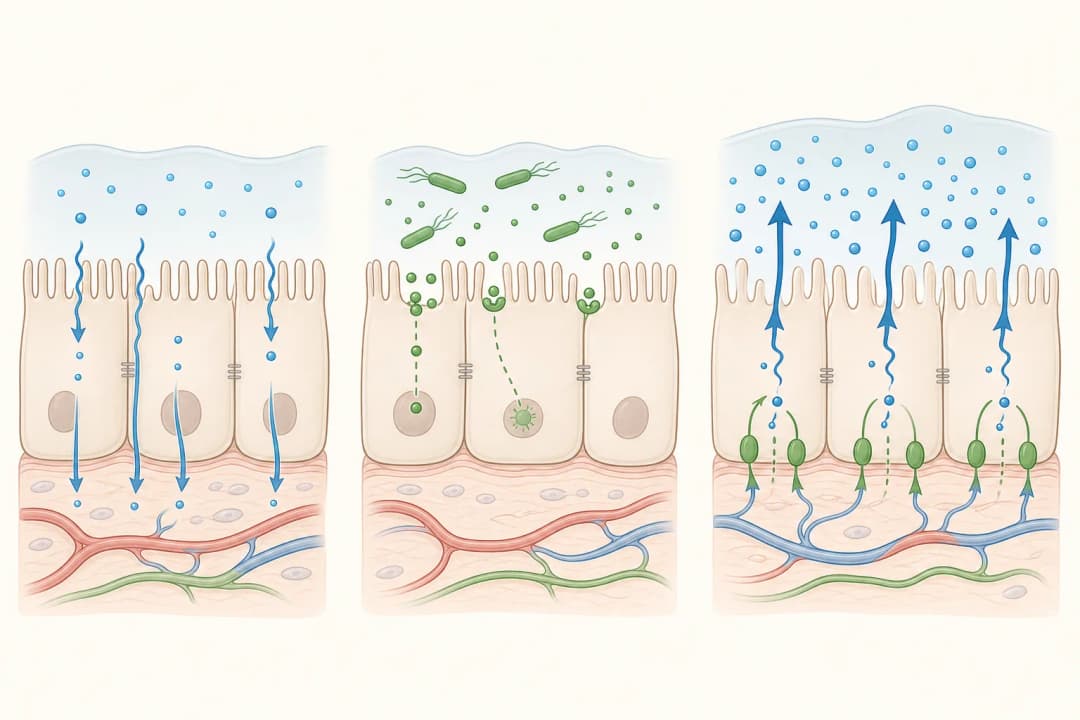
Short answer
Cholera due to Vibrio cholerae O1 biovar cholerae is an intestinal infection that can cause rapid fluid loss and needs prompt rehydration.
This answers one question. It is not a diagnosis and does not replace an assessment by a licensed doctor.
At a glance
- Organism
- Vibrio cholerae
- Classification
- O1 group, biovar cholerae
- Main clinical risk
- Fast dehydration from fluid and salt loss
Understanding the organism
Vibrio cholerae is a bacterium that can live in contaminated water or food. O1 identifies a group associated with cholera illness, while biovar cholerae is a further laboratory classification. The label describes the organism identified by testing; it does not predict how severe an individual person's illness will become.
The infection affects the intestine and may produce sudden, large-volume watery stools with or without vomiting. The dangerous feature is loss of water and salts, which can progress quickly. Transmission occurs when contaminated material is swallowed, not because the bacteria are airborne during ordinary conversation.
Practical next steps
If a clinician suspects or confirms cholera, follow the treatment plan and start appropriate oral rehydration when the person is awake and able to drink. Use safe water, wash hands with soap, and clean areas contaminated by stool or vomit. Do not prepare food for others while ill, and follow local public-health instructions about testing and infection control.
For an overview of loose stools, see [Diarrhoea](/symptoms/diarrhoea/). [Oral Rehydration Therapy](/treatments/acute-and-urgent-care/oral-rehydration-therapy/) may replace fluid when drinking is possible; severe dehydration may need [IV Fluid Therapy](/treatments/acute-and-urgent-care/iv-fluid-therapy/).
Warning signs
Go for urgent assessment if watery stools are frequent, vomiting prevents drinking, urine becomes scant, or the person develops severe thirst, dizziness, fainting, weakness, confusion, or unusual sleepiness. Infants, pregnant people, older adults, and people with kidney or heart problems should be assessed early because fluid shifts may be harder to manage safely.
What to ask
What did the test show, and does it change my treatment? How much oral rehydration should I take? Do household contacts need advice or monitoring? Which symptoms mean I should return immediately?
Find care
General Clinics & Polyclinics in Abu Dhabi
That answer is general. If you want it applied to your own case, these are licensed general clinics & polyclinics listed in Abu Dhabi.
27 Ar Ruwwad St - Shakhbout City - MSH4 - Abu Dhabi - United Arab Emirates
Accepts: Daman, Thiqa, Cigna, MetLife +20 more
Al Ruwais, Al Dhafrah
Accepts: Daman, Thiqa, AXA, Cigna +16 more
Al Bahyah - Al Bahyah Old - Abu Dhabi - United Arab Emirates
Accepts: Daman, Thiqa, Cigna, Allianz Care +18 more
Abu Dhabi
Accepts: Daman, Thiqa, AXA, Cigna +27 more
Ordered by verification status and how complete each clinic's public record is, then alphabetically. This is a directory listing, not a ranking — Zavis does not rate or recommend providers.
A factual listing drawn from the DHA, DOH and MOHAP licence registers. It is not a referral, an endorsement, or advice that any of these providers is right for you.
Questions people ask
Does the organism name tell me how ill I will become?
No. Laboratory classification identifies the bacteria; illness severity depends on fluid loss and the person's condition.
Can this infection be managed with drinks alone?
Some people can start with oral rehydration, but severe dehydration or ongoing vomiting needs urgent clinical treatment.
Related
Related reading
Keep reading
Medical disclaimer. This page is general health information, not medical advice, and it cannot diagnose you. Always consult a licensed healthcare provider about your own symptoms and treatment. In an emergency in the UAE, call 998 for an ambulance.