
What should you know about cholera disease vaccine?
Short answer
Cholera vaccines can lower the risk of illness in selected people, but they do not replace safe water, food hygiene, or rapid rehydration.
This answers one question. It is not a diagnosis and does not replace an assessment by a licensed doctor.
At a glance
- Type
- An oral vaccine may be used in selected settings
- Role
- Adds protection; does not make unsafe water safe
- Still needed
- Hygiene and prompt care for diarrhoea
What vaccination does
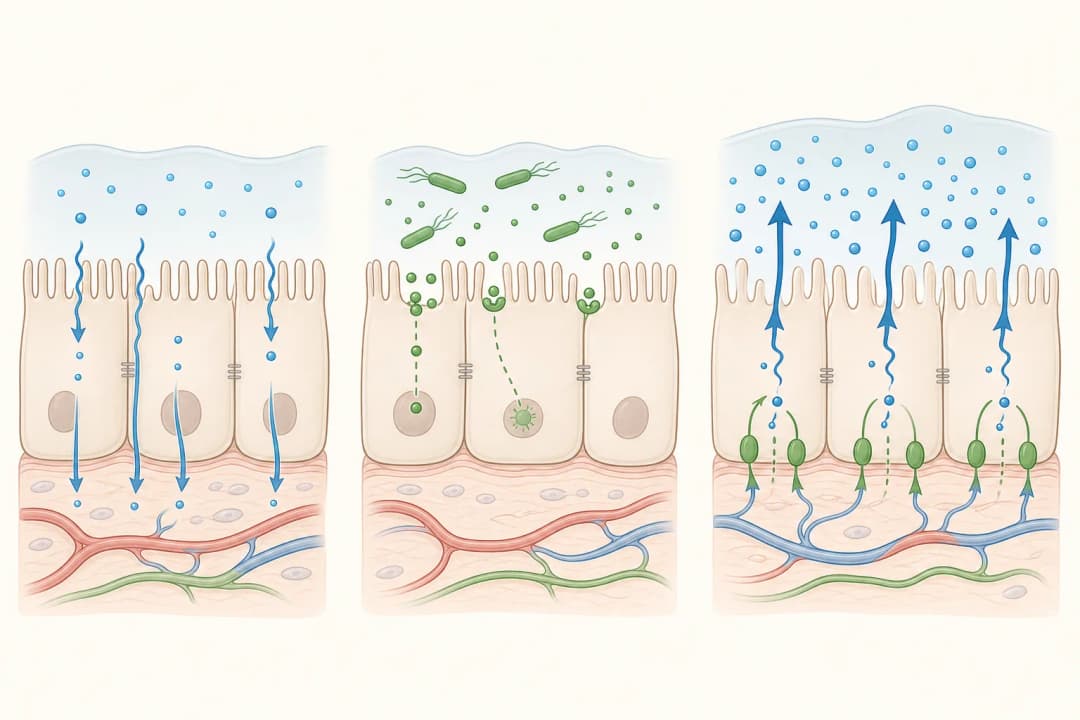
An oral cholera vaccine trains the immune system to recognise features of the bacteria or its toxin. Protection is not the same as immunity to every cause of watery diarrhoea, and vaccination does not make contaminated water safe. The product, schedule, age eligibility, and timing depend on local guidance, travel plans, outbreak conditions, and a person's health.
A vaccine decision may be relevant for travel to an area with active transmission, people living in affected settings, or groups identified by public-health services. Tell the vaccinator about pregnancy, immune problems, allergies, recent illness, and medicines. They can explain expected reactions and whether another appointment is needed.
Using protection wisely
Ask a travel clinic or healthcare professional early enough to complete the recommended schedule before exposure. Continue using treated water, eat food that is cooked or safely prepared, and wash hands carefully. Keep oral rehydration supplies available when travelling to a setting where diarrhoeal illness is a concern. If symptoms develop after vaccination, do not assume the vaccine is the cause or that cholera is impossible.
Read about [Diarrhoea](/symptoms/diarrhoea/) and the role of [Oral Rehydration Therapy](/treatments/acute-and-urgent-care/oral-rehydration-therapy/) if loose stools begin. Severe dehydration may require [IV Fluid Therapy](/treatments/acute-and-urgent-care/iv-fluid-therapy/).
When symptoms need attention
Seek urgent medical care for frequent watery diarrhoea, repeated vomiting, marked thirst, dizziness, fainting, confusion, very little urine, or inability to drink. These warning signs reflect fluid loss, whether or not a person has been vaccinated. A child, pregnant person, older adult, or person with a long-term condition should be assessed promptly when diarrhoea is significant.
Useful questions
Is cholera vaccination suitable for my destination or living situation? Which product and schedule apply to me? How long should I continue water and food precautions? What symptoms should prompt urgent rehydration care?
Find care
General Clinics & Polyclinics in Abu Dhabi
That answer is general. If you want it applied to your own case, these are licensed general clinics & polyclinics listed in Abu Dhabi.
27 Ar Ruwwad St - Shakhbout City - MSH4 - Abu Dhabi - United Arab Emirates
Accepts: Daman, Thiqa, Cigna, MetLife +20 more
Al Ruwais, Al Dhafrah
Accepts: Daman, Thiqa, AXA, Cigna +16 more
Al Bahyah - Al Bahyah Old - Abu Dhabi - United Arab Emirates
Accepts: Daman, Thiqa, Cigna, Allianz Care +18 more
Abu Dhabi
Accepts: Daman, Thiqa, AXA, Cigna +27 more
Ordered by verification status and how complete each clinic's public record is, then alphabetically. This is a directory listing, not a ranking — Zavis does not rate or recommend providers.
A factual listing drawn from the DHA, DOH and MOHAP licence registers. It is not a referral, an endorsement, or advice that any of these providers is right for you.
Questions people ask
Does cholera vaccination prevent every episode of diarrhoea?
No. It targets cholera-related risk and does not prevent all infections that cause diarrhoea.
Can vaccinated people still need treatment?
Yes. Watery diarrhoea can still cause dehydration, so begin appropriate rehydration and seek medical advice promptly.
Related
Related reading
Keep reading
Medical disclaimer. This page is general health information, not medical advice, and it cannot diagnose you. Always consult a licensed healthcare provider about your own symptoms and treatment. In an emergency in the UAE, call 998 for an ambulance.