
Chemotherapy for Molar Pregnancy
Short answer
Chemotherapy after a molar pregnancy treats persistent abnormal placental cells when hormone monitoring shows that further treatment is needed.
This answers one question. It is not a diagnosis and does not replace an assessment by a licensed doctor.
At a glance
- Treatment marker
- Serial hCG blood tests show how active tissue is responding.
- Treatment approach
- The plan may use one medicine or a combination, depending on risk features.
- Follow-up
- Continued hCG monitoring is needed after chemotherapy ends.
The short answer
Many people need only removal of the molar tissue followed by blood tests. Chemotherapy is considered when the pregnancy hormone hCG stops falling, rises again, remains detectable, or when gestational trophoblastic disease has spread. The drug plan depends on the disease pattern, previous treatment, general health, and future pregnancy wishes.
Why treatment may be recommended
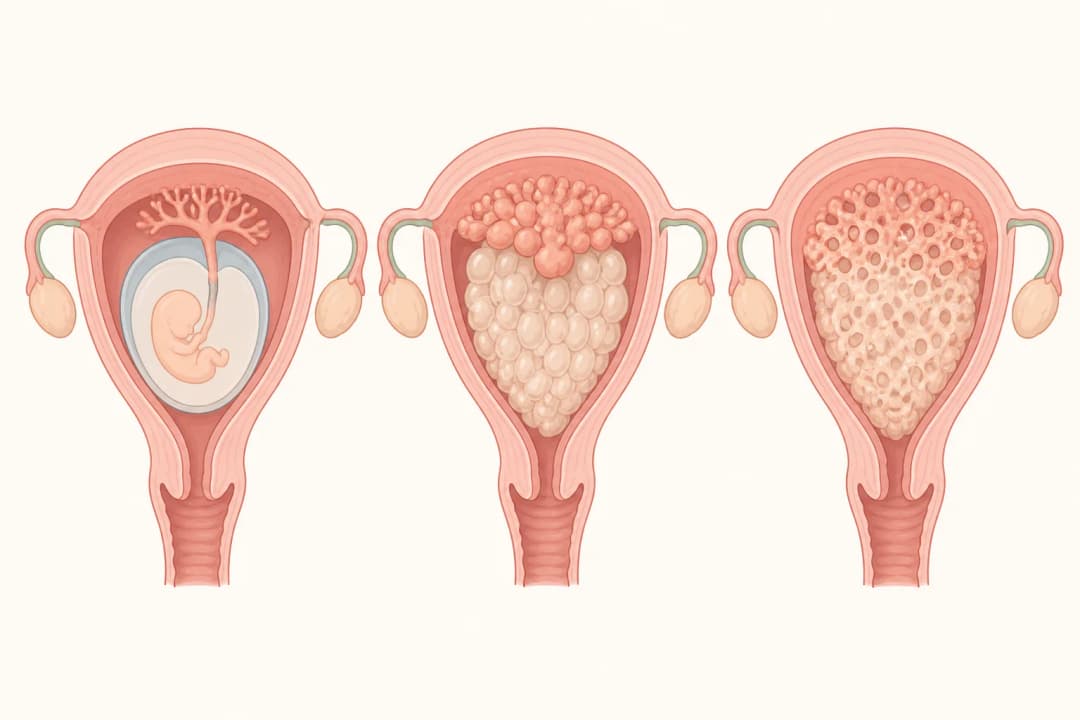
A molar pregnancy develops from abnormal placental tissue rather than a normally developing pregnancy. After that tissue is removed, hCG blood tests act as a marker of whether active cells remain. A persistent or rising pattern can indicate gestational trophoblastic neoplasia, which is sensitive to anticancer medicines.
Lower-risk disease may be treated with one medicine, often methotrexate or actinomycin D. Disease with features suggesting a greater chance of resistance or spread may require a combination regimen. Your specialist will explain the recommended medicines, route, schedule, and how response will be checked. Treatment commonly continues until hCG has returned to the expected range, with follow-up testing afterward.
Preparing for chemotherapy and follow-up
Keep every blood-test and treatment appointment because the hCG trend guides decisions. Before each cycle, report all medicines, supplements, allergies, mouth sores, fever, nausea, bowel changes, or unusual bruising. Ask which anti-sickness medicine to take and when, and use the treatment team's instructions for hydration, food, mouth care, and contraception.
Pregnancy can make hCG rise and prevent the team from interpreting the marker, so follow the advised interval before trying to conceive. Discuss fertility plans early; most treatment decisions can account for future pregnancy wishes. Emotional support also matters after pregnancy loss and cancer-related treatment, and the clinic can connect you with counselling or pregnancy-loss support.
When to contact the treatment team
Contact the oncology service immediately for a fever, shaking chills, difficulty breathing, chest pain, confusion, uncontrolled vomiting, inability to drink, or bleeding that is heavy or does not stop. Use emergency services for severe breathing difficulty, collapse, or rapidly worsening symptoms.
Report new vaginal bleeding, worsening pelvic or abdominal pain, severe headache, vision changes, mouth ulcers that prevent drinking, or signs of infection promptly. Do not wait for the next appointment: the team may need blood tests, an examination, symptom treatment, or a change to the chemotherapy schedule.
Questions to take to your appointment
Ask what your hCG pattern shows, whether the disease has been classified by risk, which medicine is proposed, and how the team will decide that treatment is working. Clarify likely side effects, whom to call outside clinic hours, which medicines to avoid, how contraception and fertility plans fit into follow-up, and when pregnancy may be considered safely.
Questions people ask
Does every molar pregnancy require chemotherapy?
No. Removal of the molar tissue and hCG monitoring may be all that is needed. Chemotherapy is used when monitoring or other findings show persistent disease that requires treatment.
Can I become pregnant after treatment?
Future pregnancy may still be possible. Your specialist will advise when to try, because a new pregnancy raises hCG and can interfere with follow-up monitoring.
Will chemotherapy make me feel unwell?
Side effects depend on the medicine and can include tiredness, nausea, mouth soreness, or changes in blood counts. Tell the team early so supportive treatment can be offered.
Related
Related reading
Keep reading
Cancer care in the UAE
Hospitals & Medical Centers in Abu Dhabi
Most UAE cancer care is delivered inside hospital services rather than by standalone oncology clinics, so these are licensed hospitals & medical centers listed in Abu Dhabi. Confirm the specific cancer service exists before you travel, and know that asking for a second opinion is routine.
Ahalia Hospital Musaffah Building - Musaffah - Musaffah Industrial - Abu Dhabi - United Arab Emirates
Accepts: Daman, Thiqa, AXA, Cigna +26 more
Al Ruwais Industrial City - Abu Dhabi - United Arab Emirates
Accepts: Daman, Thiqa, AXA, Cigna +30 more
Abu Dhabi, Abu Dhabi
Accepts: Daman, Thiqa, AXA, Cigna +30 more
Second opinions are routine in cancer care and asking for one does not affect your treatment. How to arrange a second opinion in the UAE.
Ordered by verification status and how complete each clinic's public record is, then alphabetically. This is a directory listing, not a ranking — Zavis does not rate or recommend providers.
A factual listing drawn from the DHA, DOH and MOHAP licence registers. It is not a referral, an endorsement, or advice that any of these providers is right for you.
Medical disclaimer. This page is general health information, not medical advice, and it cannot diagnose you. Always consult a licensed healthcare provider about your own symptoms and treatment. In an emergency in the UAE, call 998 for an ambulance.