
What should you know about ceramic bearing manufacturers?
Short answer
The manufacturer name matters less than whether the complete ceramic bearing system is approved, compatible, traceable, and appropriate for your operation.
This answers one question. It is not a diagnosis and does not replace an assessment by a licensed doctor.
At a glance
- Selection focus
- The complete, compatible implant system
- Personal factors
- Anatomy, bone condition, surgical plan, and activity goals
- After surgery
- Keep a copy of the implant identification record
Direct answer
Hospitals and surgeons select from implant systems available to them, but a patient should be able to learn which components are planned and why. A ceramic head or liner cannot be judged safely by brand reputation alone.
How implant systems fit together
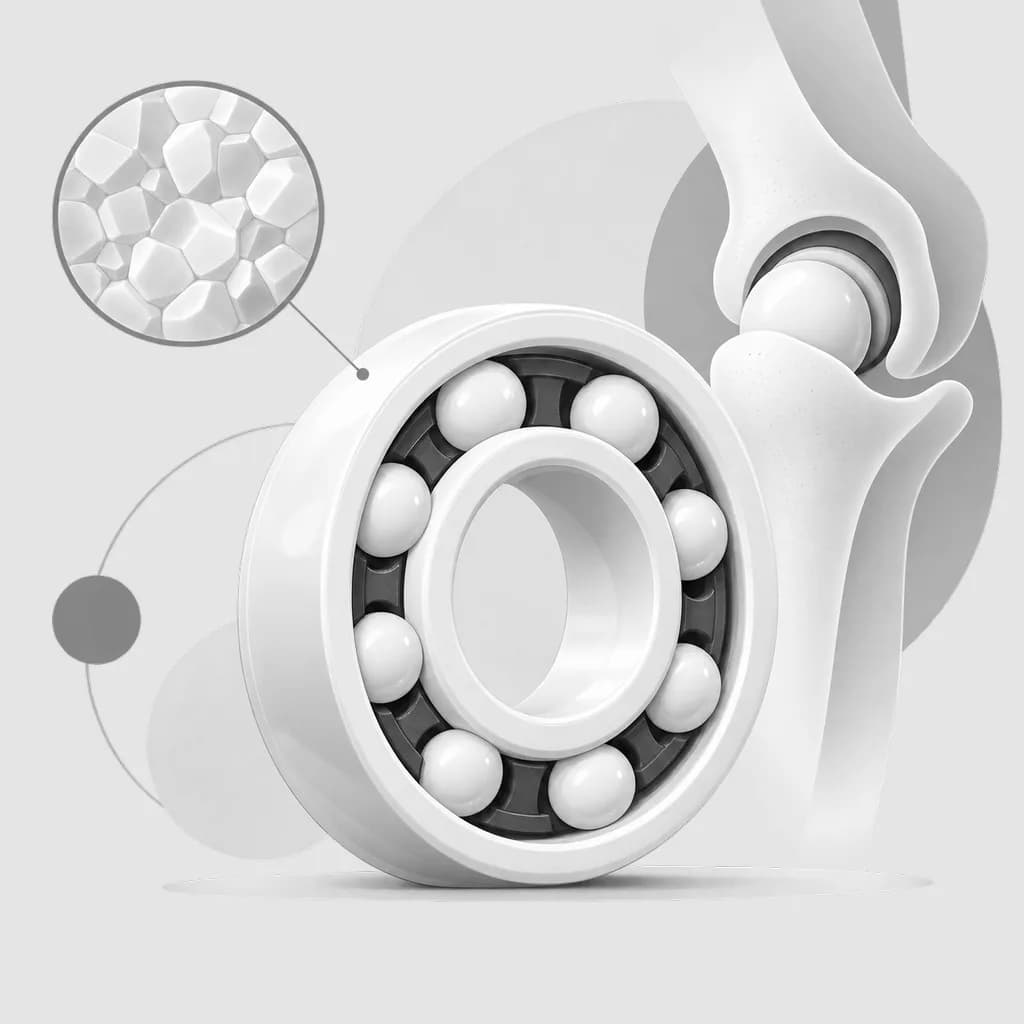
A hip replacement combines several parts, including a socket shell, liner, femoral head, and stem. The ceramic bearing refers to the moving surfaces, while the complete construct includes connections and dimensions that must match the selected system.
Manufacturing quality, component design, surgeon familiarity, local availability, and a reliable supply of matching parts can all affect selection. Your age, anatomy, bone condition, previous surgery, and activity goals may make one bearing combination more suitable than another.
What to check before proceeding
Request the name of the complete implant system, the planned bearing surfaces, and confirmation that the components are intended for use together. Ask how the hospital records batch or lot details and how you will receive your implant information after surgery.
Compare options through a clinical discussion rather than marketing claims. The useful question is how the proposed system suits your operation and what alternatives would change the benefits, limitations, surgical technique, or follow-up plan.
When the implant needs review
Contact your orthopaedic team if a replaced joint develops new pain, painful noise, a sense of slipping, reduced movement, or increasing difficulty walking. Wound drainage, spreading redness, fever, or escalating swelling also needs prompt attention. A sudden deformity or inability to stand on the leg requires urgent assessment.
Questions that clarify the choice
Ask which company makes each component, what material will contact what, and whether another component might be needed during surgery. Find out who keeps the implant record, how to obtain a copy, and whether the proposed design changes rehabilitation instructions or future imaging considerations.
Find care
General Clinics & Polyclinics in Abu Dhabi
That answer is general. If you want it applied to your own case, these are licensed general clinics & polyclinics listed in Abu Dhabi.
27 Ar Ruwwad St - Shakhbout City - MSH4 - Abu Dhabi - United Arab Emirates
Accepts: Daman, Thiqa, Cigna, MetLife +20 more
Al Ruwais, Al Dhafrah
Accepts: Daman, Thiqa, AXA, Cigna +16 more
Al Bahyah - Al Bahyah Old - Abu Dhabi - United Arab Emirates
Accepts: Daman, Thiqa, Cigna, Allianz Care +18 more
Abu Dhabi
Accepts: Daman, Thiqa, AXA, Cigna +27 more
Ordered by verification status and how complete each clinic's public record is, then alphabetically. This is a directory listing, not a ranking — Zavis does not rate or recommend providers.
A factual listing drawn from the DHA, DOH and MOHAP licence registers. It is not a referral, an endorsement, or advice that any of these providers is right for you.
Questions people ask
Should I choose a hip implant by manufacturer alone?
No. Discuss the whole system, bearing combination, component compatibility, surgeon's rationale, and how the design fits your clinical situation.
Can components from different manufacturers be combined?
Do not assume they can. The surgical team must use combinations specifically intended and accepted for use together.
What information should I keep after joint replacement?
Keep your implant card or operation documentation showing the manufacturer and identifying details for each implanted component.
Related
Related reading
Keep reading
Medical disclaimer. This page is general health information, not medical advice, and it cannot diagnose you. Always consult a licensed healthcare provider about your own symptoms and treatment. In an emergency in the UAE, call 998 for an ambulance.