
Causes of high altitude sickness
Short answer
High altitude sickness develops when the body cannot adjust quickly enough to thinner air and reduced oxygen availability.
This answers one question. It is not a diagnosis and does not replace an assessment by a licensed doctor.
At a glance
- Main mechanism
- Reduced oxygen during rapid ascent before acclimatisation is complete
- Safest response to worsening illness
- Stop ascending and descend with assistance
How altitude causes symptoms
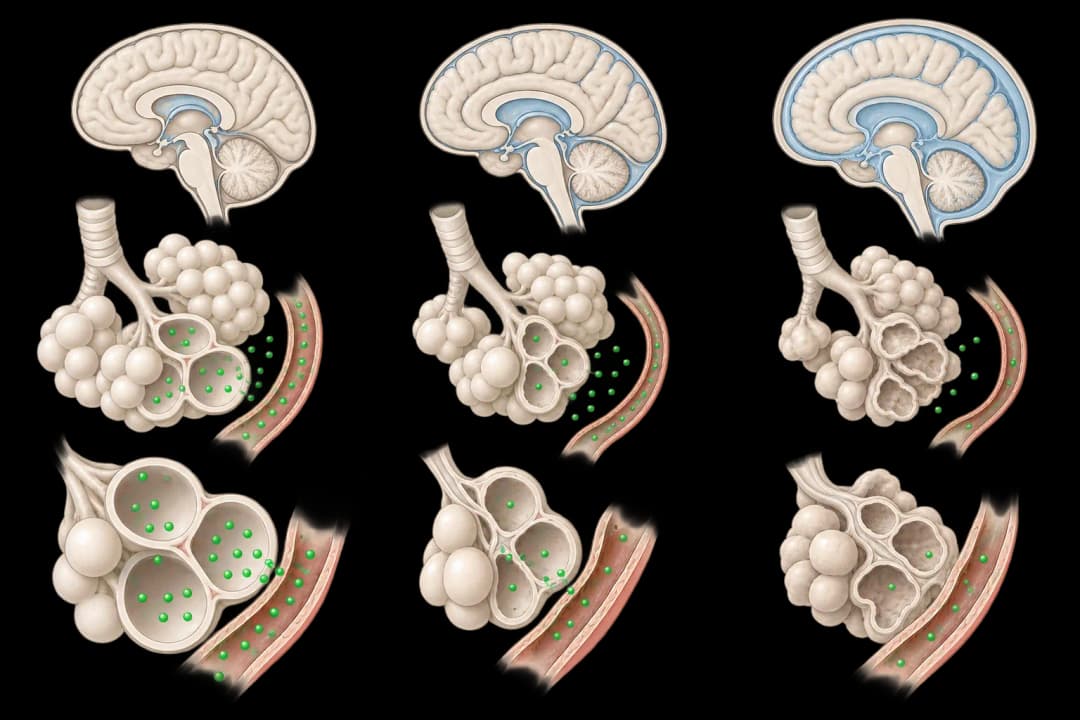
As altitude rises, each breath provides less available oxygen. The body needs time to increase breathing and circulation, and a rapid ascent can outpace that adjustment. Risk is higher when someone goes up quickly, sleeps at a higher level, or has had altitude illness before. Early symptoms commonly include [Headache](/symptoms/headache/), dizziness, tiredness, poor sleep, reduced appetite, and [Nausea](/symptoms/nausea/). Worsening breathlessness at rest, confusion, inability to walk normally, or a cough producing frothy sputum can signal a dangerous form of altitude illness.
What to do during ascent
Do not ascend further while symptoms are present. Rest, keep warm, avoid alcohol and sedatives, and tell a companion. If symptoms worsen or do not improve, descend with assistance; descent is the key response to serious altitude illness. A clinician may discuss preventive medicine before travel, based on your history and itinerary. A [Travel Health Consultation](/treatments/occupational-and-travel-medicine/travel-health-consultation/) can help plan gradual ascent, acclimatisation days, and an emergency route. Do not rely on fitness or previous travel as proof that you are protected.
Urgent warning signs
Treat confusion, unusual drowsiness, loss of coordination, severe weakness, breathlessness at rest, chest tightness, or a worsening cough as an emergency. Descend immediately with help and seek emergency medical care. Do not leave a confused or unsteady person alone and do not allow them to continue climbing. Mild headache or nausea can also worsen, so monitor symptoms closely and stop ascent at the first sign of illness.
Before a high-altitude trip
Ask how quickly to ascend, whether your heart or lung history changes the plan, which medicines are suitable, and what evacuation options exist. Discuss sleeping altitude, prior symptoms, and when to descend rather than waiting for symptoms to become severe.
Find care
General Clinics & Polyclinics in Abu Dhabi
That answer is general. If you want it applied to your own case, these are licensed general clinics & polyclinics listed in Abu Dhabi.
27 Ar Ruwwad St - Shakhbout City - MSH4 - Abu Dhabi - United Arab Emirates
Accepts: Daman, Thiqa, Cigna, MetLife +20 more
Al Ruwais, Al Dhafrah
Accepts: Daman, Thiqa, AXA, Cigna +16 more
Al Bahyah - Al Bahyah Old - Abu Dhabi - United Arab Emirates
Accepts: Daman, Thiqa, Cigna, Allianz Care +18 more
Abu Dhabi
Accepts: Daman, Thiqa, AXA, Cigna +27 more
Ordered by verification status and how complete each clinic's public record is, then alphabetically. This is a directory listing, not a ranking — Zavis does not rate or recommend providers.
A factual listing drawn from the DHA, DOH and MOHAP licence registers. It is not a referral, an endorsement, or advice that any of these providers is right for you.
Questions people ask
Can fit people get altitude sickness?
Yes. Fitness does not guarantee acclimatisation; the speed of ascent and individual response are more relevant.
Is headache at altitude always altitude sickness?
Headache is a common altitude symptom, but dehydration, exhaustion, or another illness can also cause it. Consider the full pattern and stop ascending if unwell.
Related
Related reading
Keep reading
Medical disclaimer. This page is general health information, not medical advice, and it cannot diagnose you. Always consult a licensed healthcare provider about your own symptoms and treatment. In an emergency in the UAE, call 998 for an ambulance.