
Calcium carbonate and kidney stones
Short answer
Calcium carbonate does not automatically cause kidney stones, but unnecessary or unsuitable supplementation may matter when stone risk is being assessed.
This answers one question. It is not a diagnosis and does not replace an assessment by a licensed doctor.
At a glance
- Key point
- Stone risk depends on more than one supplement
- Helpful record
- Bring the product label and full medicine list
- Urgent symptom
- Difficulty passing urine
Understanding the connection
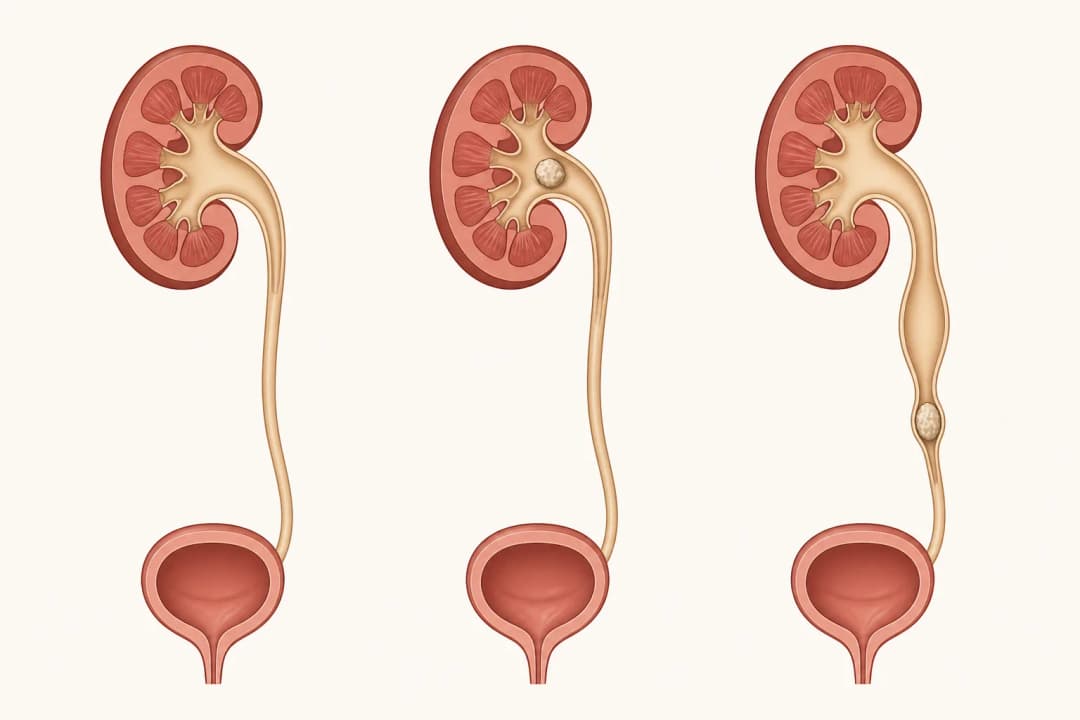
Kidney stones form when minerals crystallise in concentrated urine. Calcium is a normal part of the diet, and calcium carbonate may be prescribed or recommended for a specific reason; the right choice depends on your health, diet, kidney function, and history of stones. Dehydration can concentrate urine. A stone can cause waves of flank or abdominal pain, nausea, blood in the urine, painful urination, or difficulty passing urine, although symptoms vary with its position.
What you can do
Do not start, increase, or stop calcium carbonate solely because you fear stones. Ask a clinician to review the product, other supplements, medicines, and your reason for taking it. Drink fluids regularly unless you have been given a fluid restriction. Keep the container or a photograph of its label for an appointment. If a stone is suspected, a GP consultation can help decide whether urine testing or an abdominal ultrasound is appropriate.
When to seek urgent help
Seek urgent medical care for severe or persistent flank pain, fever or chills with urinary symptoms, repeated vomiting, visible blood in urine, or difficulty passing urine. These symptoms can signal obstruction or infection and need prompt assessment. A new episode of pain should not be self-diagnosed from supplement use alone.
Useful questions
Ask why calcium carbonate was recommended, whether your dose and timing suit your stone history, and whether another form is appropriate. Ask what fluid plan is safe for you, which symptoms require urgent help, and whether an ultrasound or urine assessment is needed.
Find care
General Clinics & Polyclinics in Abu Dhabi
That answer is general. If you want it applied to your own case, these are licensed general clinics & polyclinics listed in Abu Dhabi.
27 Ar Ruwwad St - Shakhbout City - MSH4 - Abu Dhabi - United Arab Emirates
Accepts: Daman, Thiqa, Cigna, MetLife +20 more
Al Ruwais, Al Dhafrah
Accepts: Daman, Thiqa, AXA, Cigna +16 more
Al Bahyah - Al Bahyah Old - Abu Dhabi - United Arab Emirates
Accepts: Daman, Thiqa, Cigna, Allianz Care +18 more
Abu Dhabi
Accepts: Daman, Thiqa, AXA, Cigna +27 more
Ordered by verification status and how complete each clinic's public record is, then alphabetically. This is a directory listing, not a ranking — Zavis does not rate or recommend providers.
A factual listing drawn from the DHA, DOH and MOHAP licence registers. It is not a referral, an endorsement, or advice that any of these providers is right for you.
Questions people ask
Should people with kidney stones avoid calcium carbonate?
Not automatically. A clinician should weigh the reason for supplementation, your stone history, and other health factors.
Can drinking fluids prevent every stone?
Regular fluids may reduce urine concentration, but an individual plan depends on kidney and heart health.
Related
Related reading
Keep reading
Medical disclaimer. This page is general health information, not medical advice, and it cannot diagnose you. Always consult a licensed healthcare provider about your own symptoms and treatment. In an emergency in the UAE, call 998 for an ambulance.