
What should you know about body heat causing hives?
Short answer
Body heat can trigger hives when warmth, sweating or exercise prompts histamine release in the skin.
This answers one question. It is not a diagnosis and does not replace an assessment by a licensed doctor.
At a glance
- Common trigger
- Rising skin temperature with sweating or exertion
- Typical sensation
- Itching or stinging welts
- First response
- Cool the skin and stop the triggering activity
What heat-triggered hives can look like
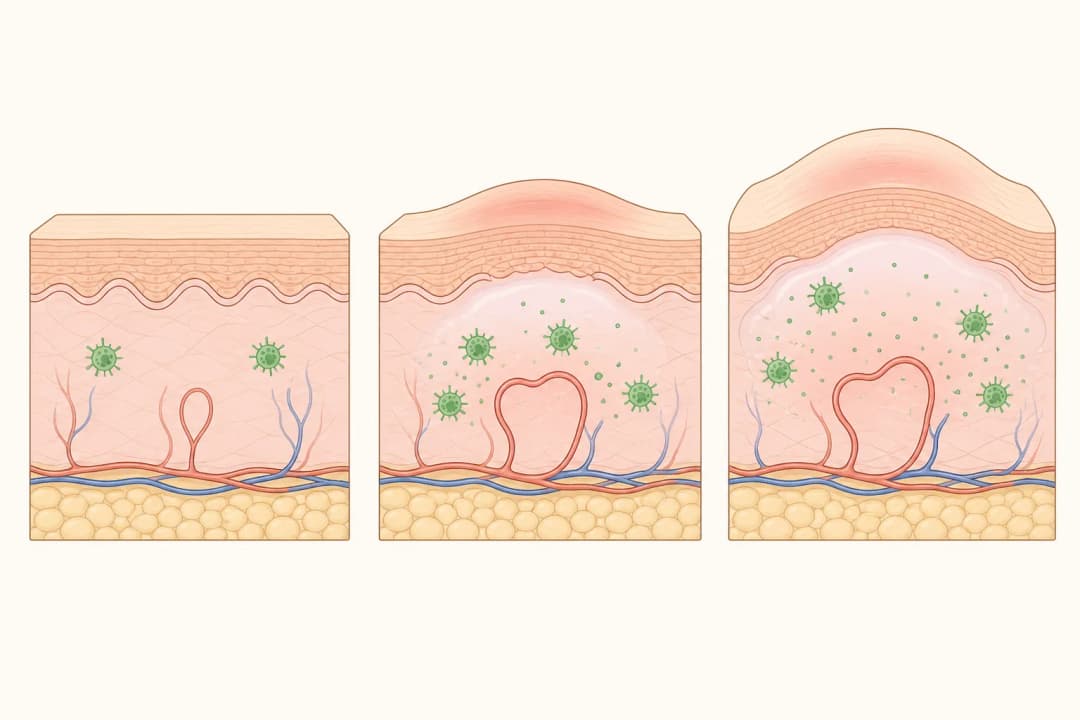
This reaction may cause raised, itchy welts that appear as the body warms and fade as the skin cools. It is often called heat-induced or cholinergic urticaria. Hot weather, a fever, vigorous activity, emotional stress and warm showers can all raise skin temperature. The rash may affect the trunk, arms, neck or other areas and can come and go in separate episodes. Swelling deeper in the skin is called angioedema and may affect the lips, eyelids, hands or feet.
A clinician may ask what you were doing before the welts appeared, how quickly they spread, and whether breathing, swallowing or the voice changed. A photograph taken during an episode can help if the skin has cleared before the appointment.
Ways to reduce a flare
Move to a cooler place, loosen tight clothing and use a cool, damp cloth rather than scratching or applying ice directly. Sip fluids, pause exercise and avoid very hot showers until the episode settles. Choose breathable clothing and notice triggers such as heat, sweat, alcohol or spicy foods. A pharmacist or clinician can advise whether an oral antihistamine treatment is suitable for you; do not take someone else’s prescription or exceed the label directions. Recurrent episodes deserve a medical assessment so other causes of hives can be considered.
When to get medical help
Seek emergency help immediately for trouble breathing, wheezing, throat or tongue swelling, faintness, confusion, or difficulty swallowing. These symptoms can signal a serious allergic reaction even if the skin rash seems small. Arrange prompt medical advice when hives keep returning, last longer than expected, interfere with sleep or activity, or occur with marked swelling. A clinician may discuss antihistamines and, for selected severe episodes, oral corticosteroid treatment.
Useful questions for your appointment
Could this be heat-triggered urticaria, and what other causes should be checked? Which symptoms mean I should seek emergency help? What medicine is appropriate with my health conditions, pregnancy or breastfeeding status? Should I keep a heat, activity and food symptom diary?
Find care
General Clinics & Polyclinics in Abu Dhabi
That answer is general. If you want it applied to your own case, these are licensed general clinics & polyclinics listed in Abu Dhabi.
27 Ar Ruwwad St - Shakhbout City - MSH4 - Abu Dhabi - United Arab Emirates
Accepts: Daman, Thiqa, Cigna, MetLife +20 more
Al Ruwais, Al Dhafrah
Accepts: Daman, Thiqa, AXA, Cigna +16 more
Al Bahyah - Al Bahyah Old - Abu Dhabi - United Arab Emirates
Accepts: Daman, Thiqa, Cigna, Allianz Care +18 more
Abu Dhabi
Accepts: Daman, Thiqa, AXA, Cigna +27 more
Ordered by verification status and how complete each clinic's public record is, then alphabetically. This is a directory listing, not a ranking — Zavis does not rate or recommend providers.
A factual listing drawn from the DHA, DOH and MOHAP licence registers. It is not a referral, an endorsement, or advice that any of these providers is right for you.
Questions people ask
Can a hot shower cause hives?
Yes. Hot water can raise skin temperature and provoke itchy welts in people with heat-triggered urticaria; a lukewarm shower may be easier to tolerate.
Are heat hives the same as heat rash?
They can look similar, but hives are raised welts that often change or fade quickly, while heat rash is linked to blocked sweat ducts and small bumps.
Related
Related reading
Keep reading
Medical disclaimer. This page is general health information, not medical advice, and it cannot diagnose you. Always consult a licensed healthcare provider about your own symptoms and treatment. In an emergency in the UAE, call 998 for an ambulance.