
BAP scar silicone sheets: what to know
Short answer
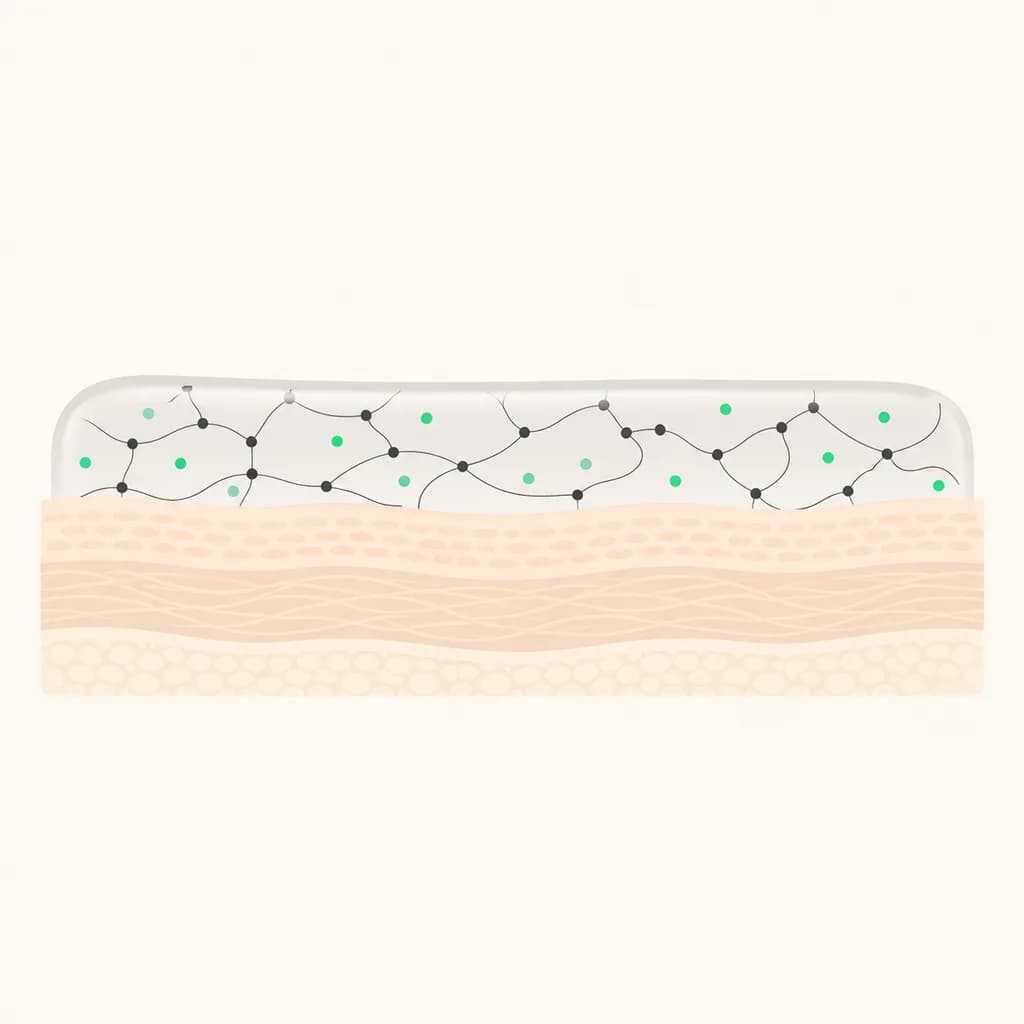
A BAP scar silicone sheet is a reusable covering designed to support the care of a fully healed scar.
This answers one question. It is not a diagnosis and does not replace an assessment by a licensed doctor.
At a glance
- Where to use it
- On intact, fully closed skin rather than an open or draining wound.
- How it works
- It maintains surface hydration and protects the scar from rubbing.
- Skin check
- Remove the sheet regularly to inspect and clean the skin beneath it.
What is a BAP scar silicone sheet?
It rests against the scar to create a protected, hydrated surface. It should not be placed over an open incision, scab, drainage, or skin infection, and its fit should not pull at nearby skin.
What silicone sheeting does to a scar
Silicone sheeting reduces moisture loss from the scar surface and shields it from friction. This controlled environment can help a raised or firm scar become softer, flatter, and more comfortable over time. Response varies with the scar's age, thickness, location, and tendency to overgrow.
The sheet does not erase a scar or change it immediately. BAP refers to a shaped silicone product intended for a particular body area; correct sizing and positioning matter because folded edges, strong tension, and trapped sweat can irritate healthy skin.
Using and caring for the sheet
Begin only after the wound has closed and a clinician has confirmed that silicone is suitable when healing is uncertain. Place the sheet on clean, dry skin according to its product instructions. Build up wear gradually if your skin is sensitive, and remove it for washing or whenever moisture collects underneath.
Wash the sheet as directed by its manufacturer, let it air-dry, and keep its adhesive surface free of lotions and lint. Clean the skin gently before reapplication. Do not share the sheet. Pause use if a rash develops, and avoid holding it down with tight wrapping that causes numbness, colour change, or swelling.
When to have the scar checked
Remove the sheet and seek prompt care if the scar opens, drains pus, becomes increasingly hot or painful, or develops spreading redness. Sudden swelling, blistering, or a strong skin reaction beneath the sheet also warrants assessment.
Book a dermatology or surgical review if the scar keeps thickening, grows beyond the original wound boundary, restricts movement, or remains very itchy or tender. Treatment choices depend on the scar type and may include continued silicone care, injections, laser-based treatment, or scar revision surgery.
Questions to ask before starting
Ask whether the wound is closed enough for sheeting, how the product should be positioned on that body area, and how to adjust wear if sweat or irritation develops. Your clinician can also explain whether the scar looks hypertrophic or keloid and whether silicone should be combined with another treatment.
Find care
General Clinics & Polyclinics in Abu Dhabi
That answer is general. If you want it applied to your own case, these are licensed general clinics & polyclinics listed in Abu Dhabi.
27 Ar Ruwwad St - Shakhbout City - MSH4 - Abu Dhabi - United Arab Emirates
Accepts: Daman, Thiqa, Cigna, MetLife +20 more
Al Ruwais, Al Dhafrah
Accepts: Daman, Thiqa, AXA, Cigna +16 more
Al Bahyah - Al Bahyah Old - Abu Dhabi - United Arab Emirates
Accepts: Daman, Thiqa, Cigna, Allianz Care +18 more
Abu Dhabi
Accepts: Daman, Thiqa, AXA, Cigna +27 more
Ordered by verification status and how complete each clinic's public record is, then alphabetically. This is a directory listing, not a ranking — Zavis does not rate or recommend providers.
A factual listing drawn from the DHA, DOH and MOHAP licence registers. It is not a referral, an endorsement, or advice that any of these providers is right for you.
Questions people ask
Can a BAP silicone sheet go on a fresh surgical wound?
Use it only after the incision is fully closed, with no scab, open point, or drainage. If closure is unclear or stitches remain, confirm timing with the treating clinician.
Should I apply moisturiser under the silicone sheet?
Cream or oil beneath an adhesive sheet can stop it sticking and may trap excess moisture. Apply it to clean, dry skin unless the product instructions or your clinician advise differently.
What if the skin becomes itchy under the sheet?
Remove the sheet and inspect the area. Mild moisture irritation may settle after cleaning and a break from wear, but persistent itching, a rash, blisters, or broken skin should be assessed before restarting.
Related
Related reading
Keep reading
Medical disclaimer. This page is general health information, not medical advice, and it cannot diagnose you. Always consult a licensed healthcare provider about your own symptoms and treatment. In an emergency in the UAE, call 998 for an ambulance.