
Azithromycin for prostatitis
Short answer
Azithromycin may treat prostatitis linked to certain susceptible bacteria, but it is not a routine choice for every case.
This answers one question. It is not a diagnosis and does not replace an assessment by a licensed doctor.
At a glance
- Main decision
- Treatment depends on whether bacteria are causing the symptoms.
- Testing
- Urine or infection tests may guide antibiotic selection.
- Urgent warning
- Inability to pass urine or fever with severe illness needs urgent assessment.
Direct answer
The appropriate antibiotic depends on whether infection is present, the suspected organism, test findings, medicine allergies and local guidance. Prostate or pelvic pain without bacterial infection needs a different management approach.
Why the cause matters
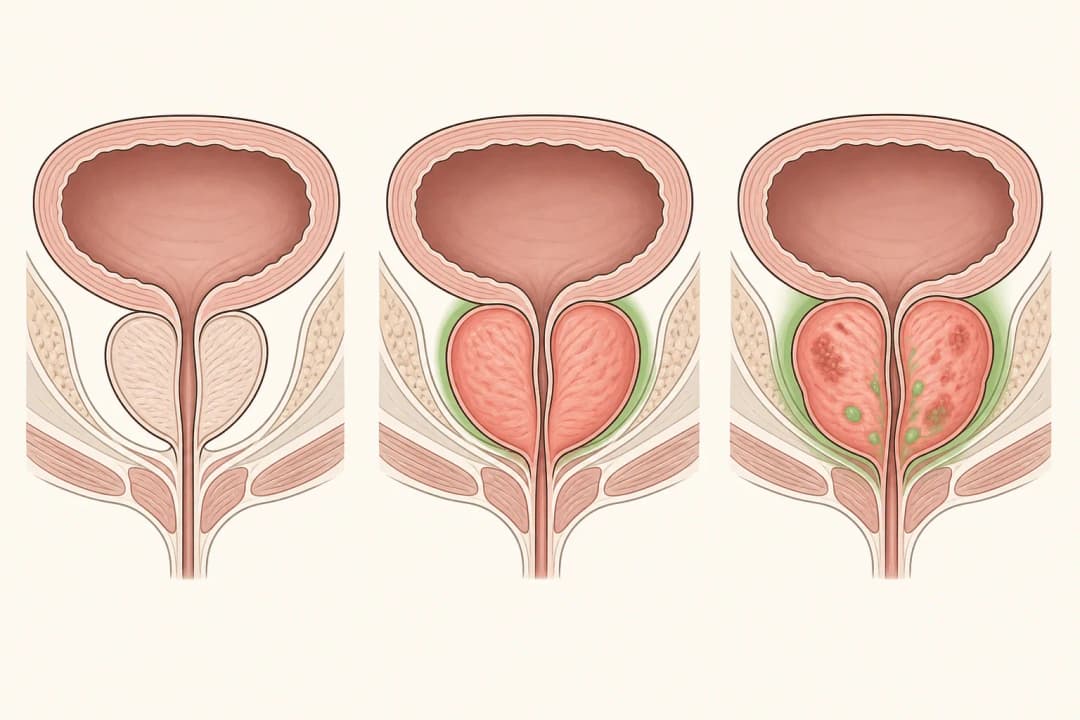
Prostatitis describes inflammation or pain involving the prostate region. Acute bacterial prostatitis can present with fever, chills, pelvic or lower back pain, painful urination and difficulty passing urine. Longer-lasting pelvic pain can occur without a bacterial cause, in which case repeated antibiotics may not help.
A clinician may use the symptom pattern, examination and urine or infection tests to distinguish these situations. Azithromycin is more likely to be considered when a susceptible sexually transmitted organism is suspected or confirmed, rather than for all urinary bacteria.
Treatment and self-care
Use azithromycin only when prescribed for the current illness, and follow the dose and course on the label. Tell the prescriber about antibiotic allergies, liver disease, heart-rhythm problems and other medicines. If testing suggests a sexually transmitted infection, follow advice about partner notification, testing and when sexual contact can resume.
Drink enough fluid to avoid dehydration unless you have been told to restrict fluids. Note fever, urinary flow, pain and medicine side effects. Do not rely on leftover antibiotics, because they may be the wrong drug, dose or course for the organism involved.
When to seek care
Seek urgent assessment if you cannot pass urine, develop fever with shaking chills, become confused or very drowsy, feel faint, or have rapidly worsening pelvic, back or abdominal pain. Acute bacterial prostatitis can become a severe systemic infection and may need hospital treatment.
Contact the prescriber promptly if symptoms worsen after starting antibiotics, vomiting prevents doses or fluids staying down, blood appears in urine, or a significant rash or diarrhoea develops. Call emergency services for swelling of the tongue or throat, breathing difficulty or collapse after a dose.
Questions for your doctor
Ask whether the diagnosis appears bacterial, which test could identify the organism and why azithromycin is suitable. Confirm how follow-up results will be shared, what to do if symptoms remain, and whether sexual partners need testing or treatment.
Find care
General Clinics & Polyclinics in Abu Dhabi
That answer is general. If you want it applied to your own case, these are licensed general clinics & polyclinics listed in Abu Dhabi.
27 Ar Ruwwad St - Shakhbout City - MSH4 - Abu Dhabi - United Arab Emirates
Accepts: Daman, Thiqa, Cigna, MetLife +20 more
Al Ruwais, Al Dhafrah
Accepts: Daman, Thiqa, AXA, Cigna +16 more
Al Bahyah - Al Bahyah Old - Abu Dhabi - United Arab Emirates
Accepts: Daman, Thiqa, Cigna, Allianz Care +18 more
Abu Dhabi
Accepts: Daman, Thiqa, AXA, Cigna +27 more
Ordered by verification status and how complete each clinic's public record is, then alphabetically. This is a directory listing, not a ranking — Zavis does not rate or recommend providers.
A factual listing drawn from the DHA, DOH and MOHAP licence registers. It is not a referral, an endorsement, or advice that any of these providers is right for you.
Questions people ask
Is azithromycin the usual antibiotic for prostatitis?
Not for every case. Selection depends on the likely or confirmed organism and whether the medicine reaches the relevant tissue effectively.
Will azithromycin help chronic pelvic pain?
It may help only when a susceptible bacterial infection is responsible. Chronic pelvic pain without infection often needs a broader plan addressing pain, urinary symptoms and pelvic floor factors.
Can prostatitis make it hard to urinate?
Yes. Acute bacterial prostatitis can present with difficulty passing urine; complete inability to urinate requires urgent medical assessment.
Related
Related reading
Keep reading
Medical disclaimer. This page is general health information, not medical advice, and it cannot diagnose you. Always consult a licensed healthcare provider about your own symptoms and treatment. In an emergency in the UAE, call 998 for an ambulance.