
What should you know about argan oil cradle cap?
Short answer
Argan oil may soften cradle-cap scales, but it does not treat every cause and should be patch-tested before gentle use.
This answers one question. It is not a diagnosis and does not replace an assessment by a licensed doctor.
At a glance
- Role of argan oil
- Softens adherent scale rather than treating every cause
- Product choice
- Plain, fragrance-free oil on intact skin only
- After softening
- Brush gently, shampoo and rinse away residue
What oil can do for scalp scale
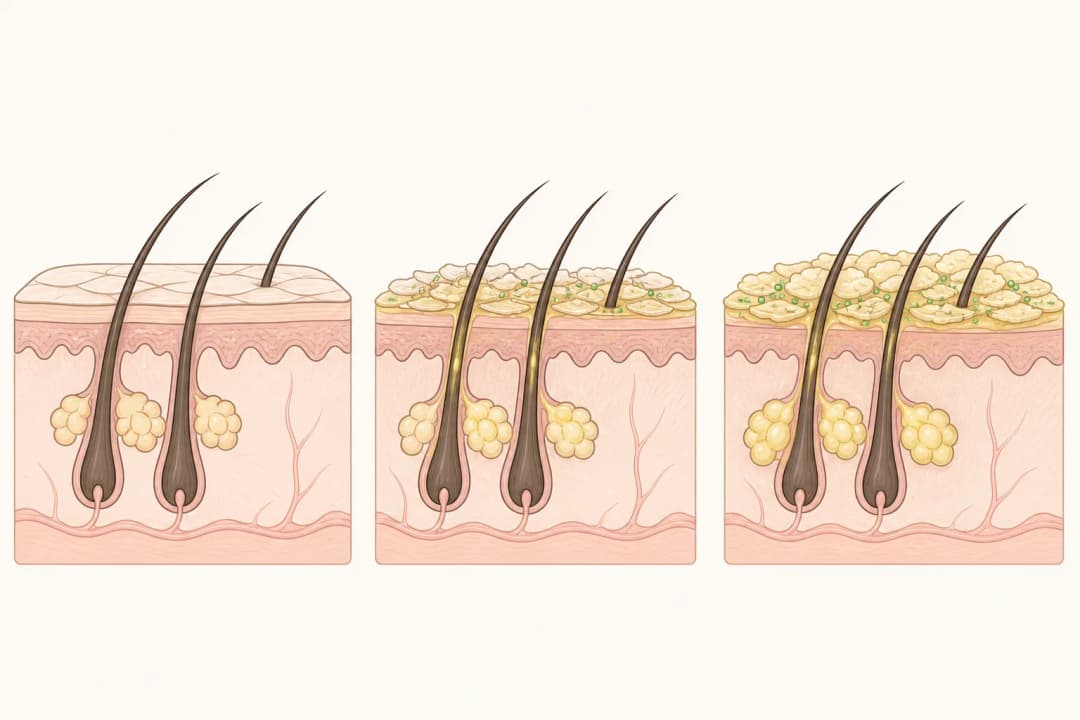
Cradle cap is infantile seborrheic dermatitis. It typically creates greasy or dry adherent scales on the scalp and may extend around the ears or eyebrows. It is not caused by poor hygiene. An oil can loosen scale and reduce friction during removal, but argan oil is not a cure for the underlying inflammation.
Botanical oils can cause irritation or allergy in some babies, and fragranced blends may contain additional triggers. Avoid argan oil if the baby has reacted to it, if the product contains perfume or essential oils, or if the scalp is cracked, weeping or infected.
A gentle way to loosen scales
First test a tiny amount of plain argan oil on a small area of intact skin and stop if redness or swelling appears. If tolerated, smooth a little onto scaly areas, allow the scale to soften briefly, then loosen it with a soft baby brush. Wash the scalp with mild baby shampoo and rinse away the oil.
Do not pick firmly, scratch the scalp or leave heavy oil buildup under a hat. Stop if the baby seems uncomfortable or the rash worsens. When simple care is insufficient, a clinician may recommend a suitable emollient, medicated shampoo or topical antifungal treatment based on the baby's age and skin findings.
When the rash needs assessment
Contact a clinician if scale spreads widely, becomes very red or swollen, causes marked itch, or does not improve with gentle care. Review is also sensible when you are unsure whether the rash is cradle cap, especially if it affects skin folds or the baby has widespread dry, itchy skin.
Seek prompt care for fever, blisters, pus, weeping, a bad smell, increasing tenderness or rapidly spreading redness. Facial swelling, breathing difficulty or widespread hives after applying a product requires urgent medical help.
Questions about stubborn cradle cap
Ask whether the pattern is seborrheic dermatitis or another infant rash, which cleanser and moisturiser suit your baby's skin, and how often to remove scale. If medicine is suggested, confirm exactly where to apply it, how long to use it and which changes mean it should be stopped.
Find care
General Clinics & Polyclinics in Abu Dhabi
That answer is general. If you want it applied to your own case, these are licensed general clinics & polyclinics listed in Abu Dhabi.
27 Ar Ruwwad St - Shakhbout City - MSH4 - Abu Dhabi - United Arab Emirates
Accepts: Daman, Thiqa, Cigna, MetLife +20 more
Al Ruwais, Al Dhafrah
Accepts: Daman, Thiqa, AXA, Cigna +16 more
Al Bahyah - Al Bahyah Old - Abu Dhabi - United Arab Emirates
Accepts: Daman, Thiqa, Cigna, Allianz Care +18 more
Abu Dhabi
Accepts: Daman, Thiqa, AXA, Cigna +27 more
Ordered by verification status and how complete each clinic's public record is, then alphabetically. This is a directory listing, not a ranking — Zavis does not rate or recommend providers.
A factual listing drawn from the DHA, DOH and MOHAP licence registers. It is not a referral, an endorsement, or advice that any of these providers is right for you.
Questions people ask
Can argan oil make cradle cap worse?
It can irritate sensitive skin, trigger an allergic reaction or leave buildup if not washed away. Stop using it if redness, itch, swelling or spreading scale develops.
Should I pick cradle-cap flakes off?
No. Forceful picking can damage the scalp and create an entry point for infection. Soften adherent scale and lift only what comes away easily with a soft brush.
Is cradle cap contagious?
Cradle cap is not contagious and does not result from inadequate washing. Gentle scalp care is intended to manage scale without injuring the baby's skin.
Related
Related reading
Keep reading
Medical disclaimer. This page is general health information, not medical advice, and it cannot diagnose you. Always consult a licensed healthcare provider about your own symptoms and treatment. In an emergency in the UAE, call 998 for an ambulance.