
Anti-hives medication: what patients should know
Short answer
Anti-hives medicines mainly use antihistamines to reduce itching and welts, with the choice guided by symptoms and medical history.
This answers one question. It is not a diagnosis and does not replace an assessment by a licensed doctor.
At a glance
- Main medicine group
- Oral antihistamines
- Common caution
- Possible drowsiness and duplicate ingredients
- Emergency sign
- Breathing or swallowing difficulty
The short answer
Newer, less-sedating antihistamines are commonly considered for daytime use. A clinician may adjust the treatment plan when hives persist, recur, or occur with deeper swelling.
How the medicines work
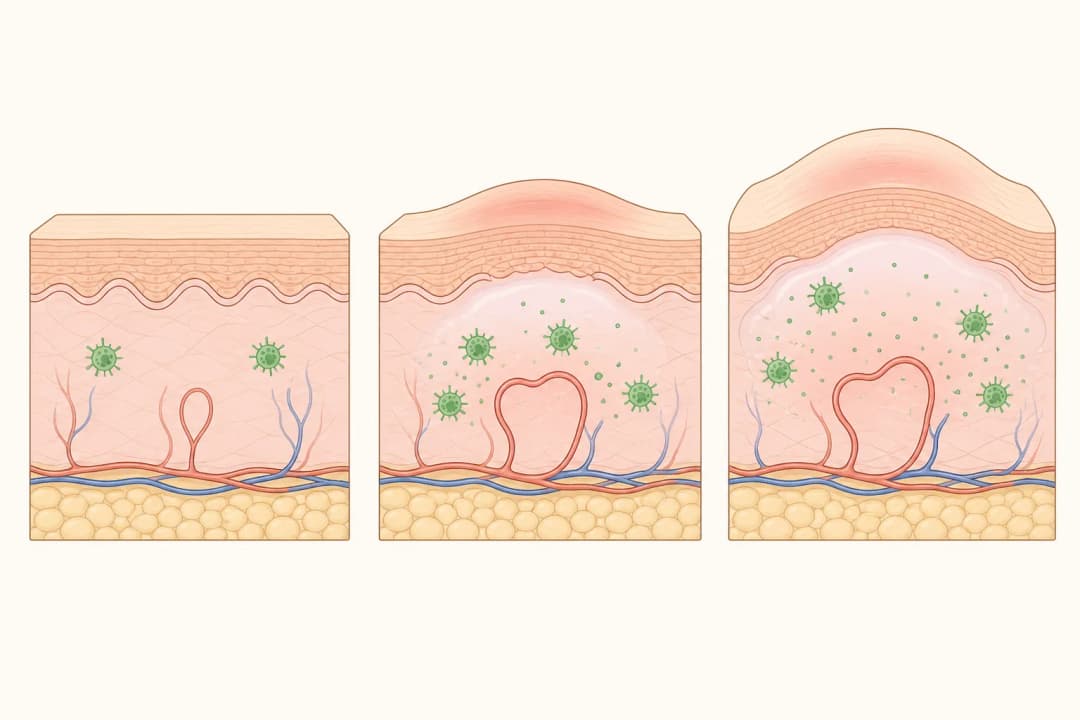
Hives develop when skin cells release histamine and other signals, producing raised welts and itch. Antihistamines block histamine activity; they control symptoms but do not remove every possible trigger. Sedating products can impair alertness, while even products labelled non-drowsy may affect some people.
Short courses of oral corticosteroids are reserved for selected severe flares because repeated or prolonged use can cause significant unwanted effects. They are not a routine substitute for an antihistamine plan.
Using treatment safely
Check the active ingredient before combining allergy, cold, sleep, or itch products; two brands may contain the same medicine. Follow the label or prescription, avoid driving if drowsy, and ask a pharmacist about alcohol or interactions with your regular medicines. Pregnancy, breastfeeding, kidney disease, glaucoma, and difficulty passing urine can affect the safest choice.
Photograph changing welts and note medicines, foods, infections, heat, pressure, and timing around each flare. Do not stop an essential prescribed medicine on your own, even if you suspect it as a trigger.
When hives need medical care
Call emergency services for swelling of the tongue or throat, trouble breathing, wheezing, faintness, confusion, or difficulty swallowing. Do not wait for an antihistamine to work when these signs occur.
Arrange a clinical review when hives keep returning, do not settle with appropriate treatment, leave bruising, feel painful rather than itchy, or accompany fever or joint pain. Swelling around the eyes or lips without breathing difficulty also warrants prompt advice because it may represent angioedema.
Questions for your clinician
Ask which active ingredient suits daytime activities, what side effects should prompt a change, and how long to continue after the flare settles. If symptoms recur, discuss whether a trigger review or a longer-term treatment schedule is appropriate.
Find care
General Clinics & Polyclinics in Abu Dhabi
That answer is general. If you want it applied to your own case, these are licensed general clinics & polyclinics listed in Abu Dhabi.
27 Ar Ruwwad St - Shakhbout City - MSH4 - Abu Dhabi - United Arab Emirates
Accepts: Daman, Thiqa, Cigna, MetLife +20 more
Al Ruwais, Al Dhafrah
Accepts: Daman, Thiqa, AXA, Cigna +16 more
Al Bahyah - Al Bahyah Old - Abu Dhabi - United Arab Emirates
Accepts: Daman, Thiqa, Cigna, Allianz Care +18 more
Abu Dhabi
Accepts: Daman, Thiqa, AXA, Cigna +27 more
Ordered by verification status and how complete each clinic's public record is, then alphabetically. This is a directory listing, not a ranking — Zavis does not rate or recommend providers.
A factual listing drawn from the DHA, DOH and MOHAP licence registers. It is not a referral, an endorsement, or advice that any of these providers is right for you.
Questions people ask
Can I take two antihistamine brands together?
Not unless a clinician specifically recommends it. Different brands can contain the same or closely related ingredients, increasing side effects without adding useful benefit.
Why do hives return after medicine wears off?
Antihistamines suppress histamine-driven symptoms while they are active. If the underlying flare is still continuing, welts and itching can return as the medicine effect fades.
Does an antihistamine treat dangerous throat swelling?
It is not a reason to delay emergency help. Throat or tongue swelling, breathing trouble, collapse, or swallowing difficulty needs immediate emergency assessment.
Related
Related reading
Keep reading
Medical disclaimer. This page is general health information, not medical advice, and it cannot diagnose you. Always consult a licensed healthcare provider about your own symptoms and treatment. In an emergency in the UAE, call 998 for an ambulance.