
Anti-D in pregnancy: what to know
Short answer
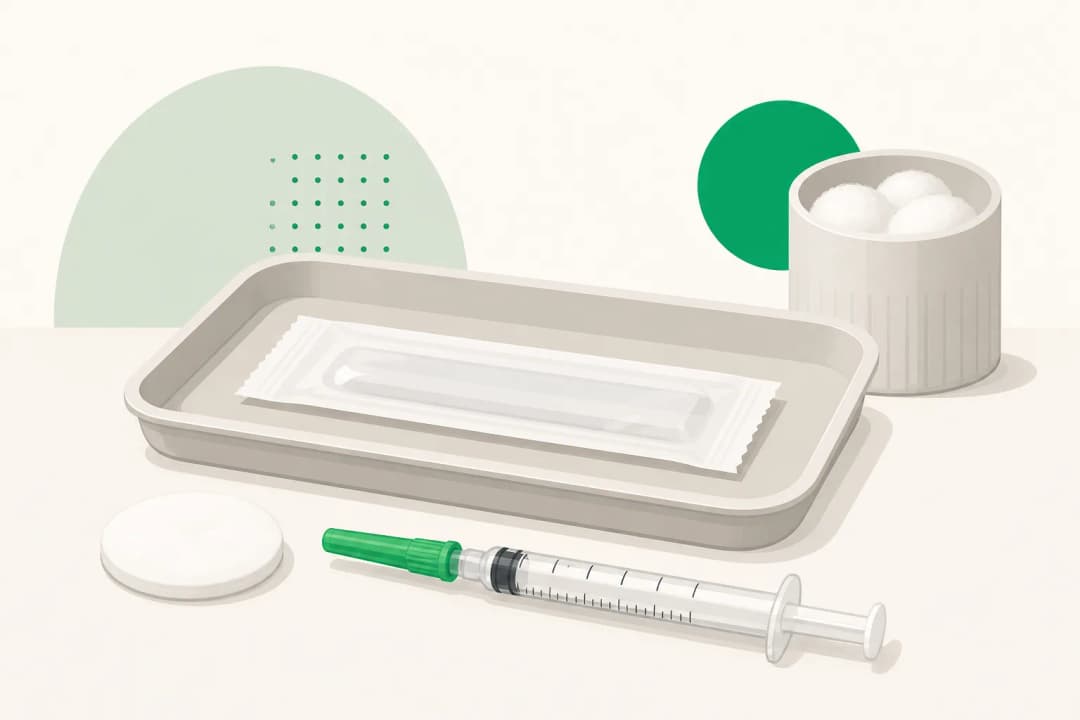
Anti-D in pregnancy is an injection that helps prevent an RhD-negative pregnant person from forming antibodies against RhD-positive fetal blood cells.
This answers one question. It is not a diagnosis and does not replace an assessment by a licensed doctor.
At a glance
- Also called
- Anti-D prophylaxis or rhesus injection
- Main purpose
- Prevent RhD sensitisation
- Planning
- Based on blood-group testing and pregnancy events
Why anti-D may be offered
RhD is a marker found on some red blood cells. If a pregnant person does not have the marker but the fetus does, fetal cells entering the pregnant person's bloodstream can trigger an immune response called sensitisation. This can create antibodies that cross the placenta in a future pregnancy and affect RhD-positive fetal red blood cells. Anti-D injection provides antibodies that clear exposed cells before that response becomes established.
Blood-group and antibody testing helps the maternity team decide whether anti-D is suitable. It may be discussed at a planned point in pregnancy and after birth, or after bleeding, abdominal injury, pregnancy loss, or a procedure that could allow blood to mix.
Practical next steps
Attend blood tests and maternity appointments, and tell the team promptly about bleeding, a fall, abdominal impact, or a procedure. Include when the event happened and whether you have received anti-D before. The timing of treatment depends on the situation, so contact the service rather than waiting for the next routine visit. Keep the injection record with your pregnancy notes and share it with future maternity clinicians.
When to seek urgent care
Call your maternity unit urgently for heavy bleeding, severe abdominal or one-sided pain, fainting, fever, or reduced fetal movement. Emergency help is needed for severe breathing difficulty, swelling of the face or throat, or collapse after an injection. Anti-D helps with sensitisation risk but does not diagnose the cause of bleeding or pain.
What to ask
Ask whether your blood group and antibody screen make anti-D appropriate, when it should be given, what happens if bleeding occurs again, and how the treatment will appear in your records. Ask which number to call at night or on a weekend.
Find care
General Clinics & Polyclinics in Abu Dhabi
That answer is general. If you want it applied to your own case, these are licensed general clinics & polyclinics listed in Abu Dhabi.
27 Ar Ruwwad St - Shakhbout City - MSH4 - Abu Dhabi - United Arab Emirates
Accepts: Daman, Thiqa, Cigna, MetLife +20 more
Al Ruwais, Al Dhafrah
Accepts: Daman, Thiqa, AXA, Cigna +16 more
Al Bahyah - Al Bahyah Old - Abu Dhabi - United Arab Emirates
Accepts: Daman, Thiqa, Cigna, Allianz Care +18 more
Abu Dhabi
Accepts: Daman, Thiqa, AXA, Cigna +27 more
Ordered by verification status and how complete each clinic's public record is, then alphabetically. This is a directory listing, not a ranking — Zavis does not rate or recommend providers.
A factual listing drawn from the DHA, DOH and MOHAP licence registers. It is not a referral, an endorsement, or advice that any of these providers is right for you.
Questions people ask
Is anti-D needed in every pregnancy?
Not necessarily. The recommendation depends on your RhD status, antibody results, fetal or newborn details, and events during pregnancy.
Should I report bleeding even after receiving anti-D?
Yes. Anti-D does not remove the need to assess bleeding, pain, or changes in fetal movement. Contact your maternity team promptly.
Related
Related reading
Keep reading
Medical disclaimer. This page is general health information, not medical advice, and it cannot diagnose you. Always consult a licensed healthcare provider about your own symptoms and treatment. In an emergency in the UAE, call 998 for an ambulance.