
Amoebic dysentery in infants
Short answer
An infant with suspected amoebic dysentery needs prompt medical assessment because bloody diarrhoea and dehydration can become serious quickly.
This answers one question. It is not a diagnosis and does not replace an assessment by a licensed doctor.
At a glance
- Priority
- Bloody diarrhoea in an infant needs prompt clinical assessment.
- Feeding
- Continue breastfeeding while seeking advice if the baby can feed.
- Monitoring
- Wet nappies, alertness, feeds, vomiting, and stools help show how the illness is progressing.
The short answer
Blood or mucus in a baby's stool has several possible causes, so appearance alone cannot confirm amoebiasis. A clinician may examine the baby, assess hydration, and arrange stool testing before choosing treatment. Do not give leftover antibiotics or medicines intended to stop diarrhoea.
How the illness affects babies
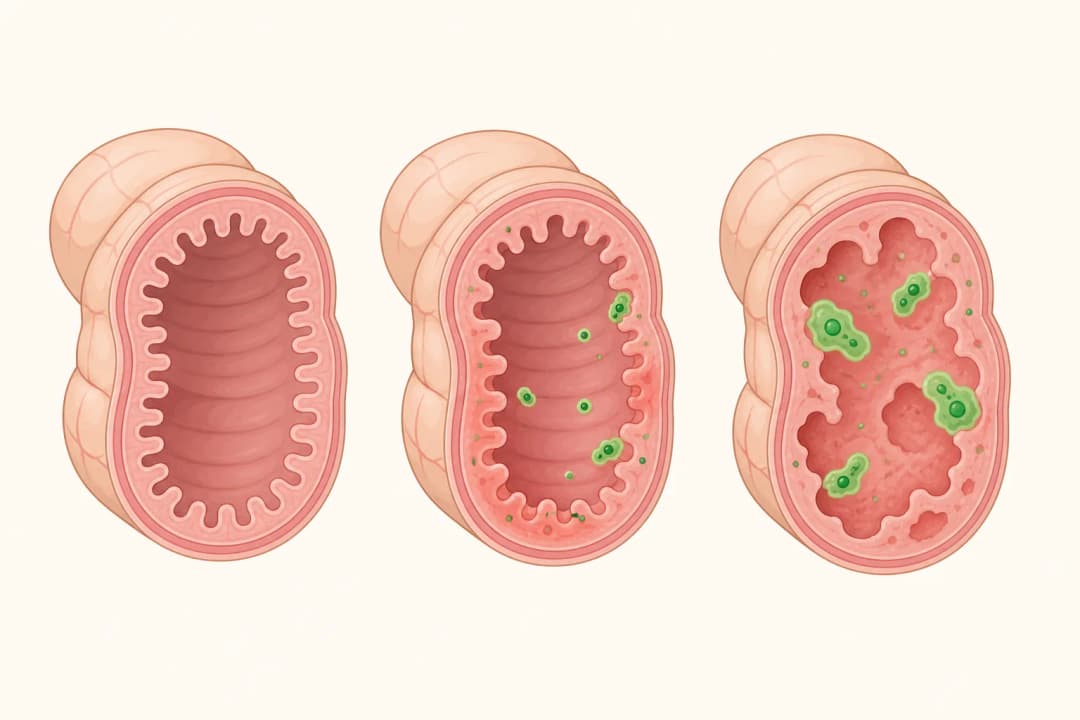
Amoebic dysentery is bowel inflammation caused by invasive Entamoeba histolytica. When infants develop it, they may pass frequent loose stools containing blood or mucus and may have abdominal discomfort, fever, poor feeding, or vomiting. Other bacterial and intestinal illnesses can present similarly and may need different care.
Babies have smaller fluid reserves than older children, so losses through diarrhoea and vomiting deserve close attention. Treatment for confirmed invasive amoebiasis generally includes prescription medicine directed at organisms in tissue, followed by medicine that clears organisms remaining in the bowel. Doses must be calculated for the individual child.
Care while arranging assessment
Seek same-day medical advice. Continue breastfeeding and offer feeds more frequently if the baby can take them. A clinician may recommend an infant-appropriate oral rehydration solution; prepare it exactly as directed rather than making a homemade concentrated mixture. Keep track of wet nappies, stools, vomiting, feeds, alertness, and temperature.
Wash hands with soap after every nappy change and before feeding, clean the changing surface, and dispose of soiled nappies safely. Give only medicines prescribed or specifically approved for the baby, using the supplied measuring device for liquid doses.
Signs requiring urgent medical care
Go for urgent assessment if the baby is unusually sleepy, difficult to wake, floppy, breathing abnormally, unable to feed, repeatedly vomiting, or passing blood in the stool. A sunken soft spot, dry mouth, no tears when crying, cool mottled skin, or substantially fewer wet nappies can indicate dehydration.
Emergency care is also appropriate for a seizure, a swollen or very tender abdomen, green vomit, or rapid deterioration. Do not delay travel for care while waiting to collect a stool sample; the clinical team can advise on testing after stabilising the baby.
What parents can ask
Ask which infections are being tested for, how hydration will be assessed, and how much oral rehydration fluid to offer after each stool. Before leaving, confirm each medicine's dose and timing, what to do if the baby vomits a dose, which feeding routine to follow, and when the child should be examined again.
Find care
General Clinics & Polyclinics in Abu Dhabi
That answer is general. If you want it applied to your own case, these are licensed general clinics & polyclinics listed in Abu Dhabi.
27 Ar Ruwwad St - Shakhbout City - MSH4 - Abu Dhabi - United Arab Emirates
Accepts: Daman, Thiqa, Cigna, MetLife +20 more
Al Ruwais, Al Dhafrah
Accepts: Daman, Thiqa, AXA, Cigna +16 more
Al Bahyah - Al Bahyah Old - Abu Dhabi - United Arab Emirates
Accepts: Daman, Thiqa, Cigna, Allianz Care +18 more
Abu Dhabi
Accepts: Daman, Thiqa, AXA, Cigna +27 more
Ordered by verification status and how complete each clinic's public record is, then alphabetically. This is a directory listing, not a ranking — Zavis does not rate or recommend providers.
A factual listing drawn from the DHA, DOH and MOHAP licence registers. It is not a referral, an endorsement, or advice that any of these providers is right for you.
Questions people ask
Can stool appearance confirm amoebic dysentery in a baby?
No. Blood and mucus can occur with several bowel conditions. Examination and suitable stool tests help identify the cause and guide the prescription.
Should I stop breastfeeding during diarrhoea?
Usually breastfeeding should continue if the infant can feed, because it provides fluid and nutrition. Urgent clinical advice is needed if feeding becomes weak or impossible.
Can I give my baby an adult anti-diarrhoeal medicine?
No. Products that slow the bowel can be unsafe for infants or inappropriate with bloody diarrhoea. Give only medicine specifically recommended for your baby.
Related
Related reading
Keep reading
Medical disclaimer. This page is general health information, not medical advice, and it cannot diagnose you. Always consult a licensed healthcare provider about your own symptoms and treatment. In an emergency in the UAE, call 998 for an ambulance.