
What should you know about amoeba treatment at home?
Short answer
Home care can prevent dehydration during suspected amoebiasis, but it does not replace diagnosis and prescribed anti-amoebic treatment.
This answers one question. It is not a diagnosis and does not replace an assessment by a licensed doctor.
At a glance
- Home priority
- Replace lost fluid and salts using safe drinks or correctly prepared rehydration solution.
- Medication
- Suspected amoebiasis should not be treated with leftover or shared medicines.
- Hygiene
- Soap-and-water handwashing helps limit faecal contamination.
Direct answer
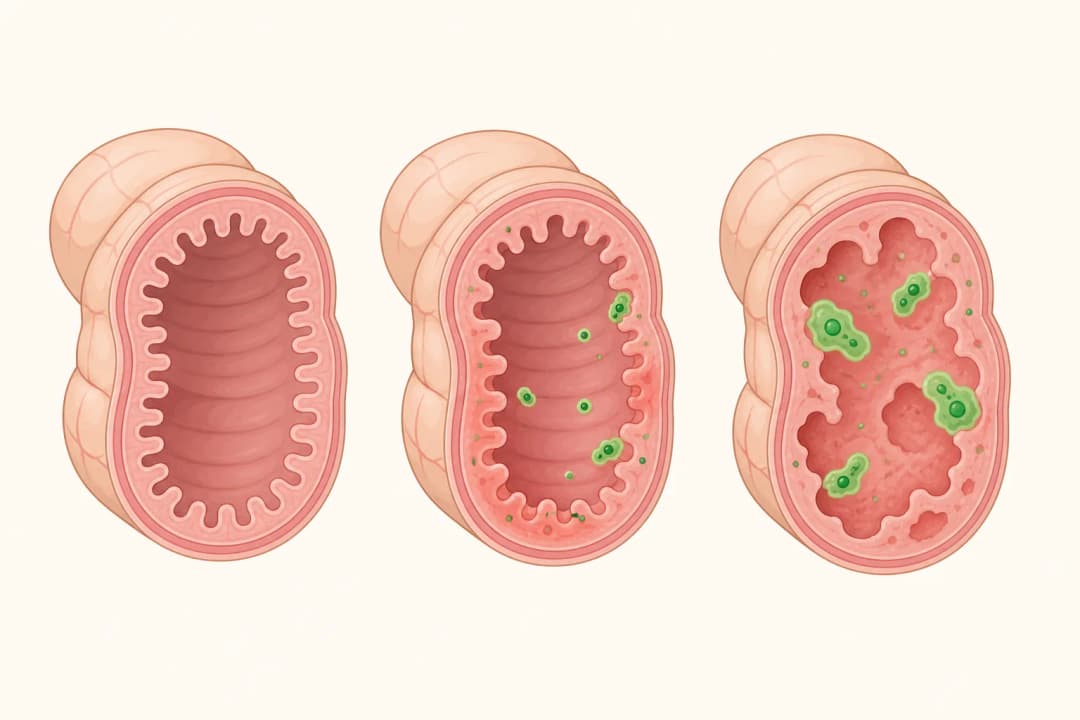
Amoebiasis is an intestinal infection caused by a parasite. Other infections and non-infectious conditions can produce similar diarrhoea or abdominal pain, so treatment should not be chosen from symptoms alone.
Why home remedies are not enough
Rest, safe fluids and suitable food may ease the effects of diarrhoea, yet they do not reliably clear the parasite. Untreated infection can continue, recur or occasionally spread beyond the intestine, including to the liver.
A clinician may request stool testing and assess travel, food or water exposure, symptom pattern and medicine use. Testing is useful because amoebiasis can resemble other causes of bowel illness, and the appropriate medicines differ.
Safe care while arranging assessment
Take frequent small sips of safe water or an oral rehydration solution prepared according to its label. Eat light foods as tolerated, wash hands with soap after using the toilet and before preparing food, and avoid preparing meals for others while diarrhoea continues.
Do not take leftover antibiotics, antiparasitic medicines or another person's prescription. Effective management may require medicine aimed at active infection followed by medicine that clears organisms remaining in the intestine. A clinician should select the regimen and check for pregnancy, interactions and other health conditions.
When to get urgent medical help
Seek prompt care for blood in the stool, severe or worsening abdominal pain, repeated vomiting, fever with marked weakness, or diarrhoea that is not settling. Urgent assessment is needed for confusion, fainting, very little urine, inability to keep fluids down, or a painful upper-right abdomen with fever.
Useful questions for the clinician
Ask whether stool samples are needed, which diagnosis the treatment targets, whether a second medicine is required after the first course, what fluids are suitable, and whether household members with symptoms should also be assessed.
Find care
General Clinics & Polyclinics in Abu Dhabi
That answer is general. If you want it applied to your own case, these are licensed general clinics & polyclinics listed in Abu Dhabi.
27 Ar Ruwwad St - Shakhbout City - MSH4 - Abu Dhabi - United Arab Emirates
Accepts: Daman, Thiqa, Cigna, MetLife +20 more
Al Ruwais, Al Dhafrah
Accepts: Daman, Thiqa, AXA, Cigna +16 more
Al Bahyah - Al Bahyah Old - Abu Dhabi - United Arab Emirates
Accepts: Daman, Thiqa, Cigna, Allianz Care +18 more
Abu Dhabi
Accepts: Daman, Thiqa, AXA, Cigna +27 more
Ordered by verification status and how complete each clinic's public record is, then alphabetically. This is a directory listing, not a ranking — Zavis does not rate or recommend providers.
A factual listing drawn from the DHA, DOH and MOHAP licence registers. It is not a referral, an endorsement, or advice that any of these providers is right for you.
Questions people ask
Can diet cure amoebiasis?
No specific food clears the parasite. Light meals may be easier to tolerate, while diagnosis and appropriate prescription treatment address the infection.
Can I use an anti-diarrhoeal medicine?
Check with a clinician or pharmacist first. Medicines that slow the bowel may be unsuitable when stool contains blood, fever is present, or invasive infection is suspected.
Should everyone in the home take treatment?
No. Household members should not share treatment; anyone with symptoms or a relevant exposure should receive individual medical advice.
Related
Related reading
Keep reading
Medical disclaimer. This page is general health information, not medical advice, and it cannot diagnose you. Always consult a licensed healthcare provider about your own symptoms and treatment. In an emergency in the UAE, call 998 for an ambulance.