
Altitude sickness effects and warning signs
Short answer
Altitude sickness can cause headache, nausea, fatigue, dizziness, poor appetite and sleep disturbance after gaining elevation.
This answers one question. It is not a diagnosis and does not replace an assessment by a licensed doctor.
At a glance
- Typical pattern
- Headache with other symptoms after ascent
- Fitness
- Does not reliably prevent altitude sickness
- Safe response
- Pause ascent and monitor closely
How altitude sickness affects the body
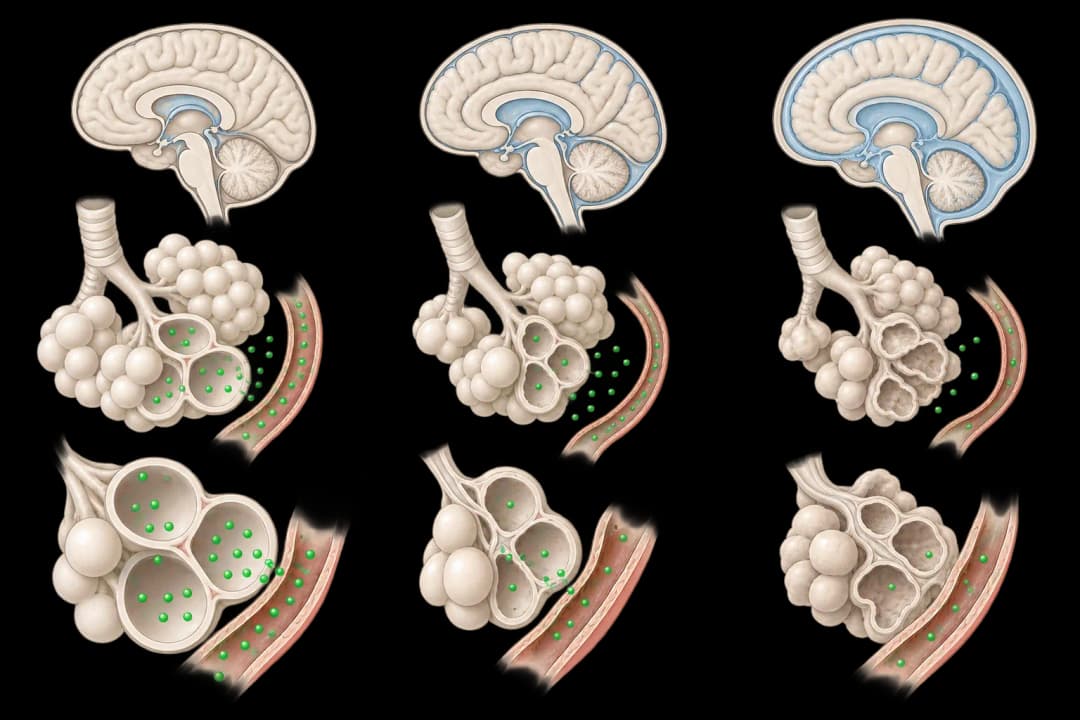
Lower oxygen availability after a climb makes the body work harder to adapt. Early altitude sickness often presents with a headache plus symptoms such as queasiness, weakness, light-headedness or restless sleep. The word ‘side effects’ can be confusing here: these are effects of the illness, not necessarily reactions to a medicine.
A faster climb, a higher sleeping elevation and previous susceptibility can matter. Physical fitness does not reliably prevent illness, and symptoms should not be dismissed as simply being out of shape.
Responding to early symptoms
Stop gaining elevation when symptoms appear. Rest, avoid strenuous activity and alcohol, keep comfortably warm, and take ordinary fluids and food as tolerated. Tell a travel companion how you feel so changes in speech, alertness or balance are not missed.
Do not resume ascent while symptoms continue. If they intensify or do not settle at the same elevation, descend and obtain medical advice. A clinician can distinguish altitude illness from problems such as infection, migraine, medication effects, low blood sugar or dehydration.
Signs of severe altitude illness
Trouble walking steadily, confusion, marked sleepiness, breathlessness while resting, chest congestion, a worsening cough, collapse or blue-grey colouring around the lips requires urgent action. These features can reflect dangerous effects on the brain or lungs. Arrange assisted descent and emergency care without waiting for morning or for symptoms to pass.
Repeated vomiting, inability to drink, a severe persistent headache or rapid deterioration also warrants prompt assessment. Never leave a confused or unsteady person to travel down alone.
Questions before travel
Ask whether your itinerary allows adequate acclimatisation and whether heart, lung, blood or neurological conditions affect your plans. If medication is considered, clarify its purpose, expected adverse effects, important interactions and whether it changes the rule against climbing with symptoms.
Find care
General Clinics & Polyclinics in Abu Dhabi
That answer is general. If you want it applied to your own case, these are licensed general clinics & polyclinics listed in Abu Dhabi.
27 Ar Ruwwad St - Shakhbout City - MSH4 - Abu Dhabi - United Arab Emirates
Accepts: Daman, Thiqa, Cigna, MetLife +20 more
Al Ruwais, Al Dhafrah
Accepts: Daman, Thiqa, AXA, Cigna +16 more
Al Bahyah - Al Bahyah Old - Abu Dhabi - United Arab Emirates
Accepts: Daman, Thiqa, Cigna, Allianz Care +18 more
Abu Dhabi
Accepts: Daman, Thiqa, AXA, Cigna +27 more
Ordered by verification status and how complete each clinic's public record is, then alphabetically. This is a directory listing, not a ranking — Zavis does not rate or recommend providers.
A factual listing drawn from the DHA, DOH and MOHAP licence registers. It is not a referral, an endorsement, or advice that any of these providers is right for you.
Questions people ask
Are tingling fingers an effect of altitude sickness?
Tingling may occur with cold exposure, anxiety or altered breathing, but it is not enough to identify altitude sickness. Consider the complete symptom pattern and recent ascent.
Do preventive medicines have side effects?
They can. The effects depend on the medicine and your health, so discuss expected reactions, allergies and interactions with a clinician before travel.
Related
Related reading
Keep reading
Medical disclaimer. This page is general health information, not medical advice, and it cannot diagnose you. Always consult a licensed healthcare provider about your own symptoms and treatment. In an emergency in the UAE, call 998 for an ambulance.