
Can altitude sickness cause long-term effects?
Short answer
Mild altitude sickness generally improves after stopping ascent or descending, while severe brain or lung complications may cause lasting harm without prompt treatment.
This answers one question. It is not a diagnosis and does not replace an assessment by a licensed doctor.
At a glance
- Mild illness
- Often settles after stopping ascent or descending
- Main concern
- Severe brain or lung involvement
- Follow-up
- Needed for persistent or recurrent symptoms
The short answer
After uncomplicated acute mountain sickness, headache, nausea, fatigue, and poor sleep should ease as the body recovers at a lower elevation. Persistent problems are not something to dismiss as normal acclimatisation. They may reflect severe altitude illness, another medical condition, or incomplete recovery.
Recovery and possible lasting harm
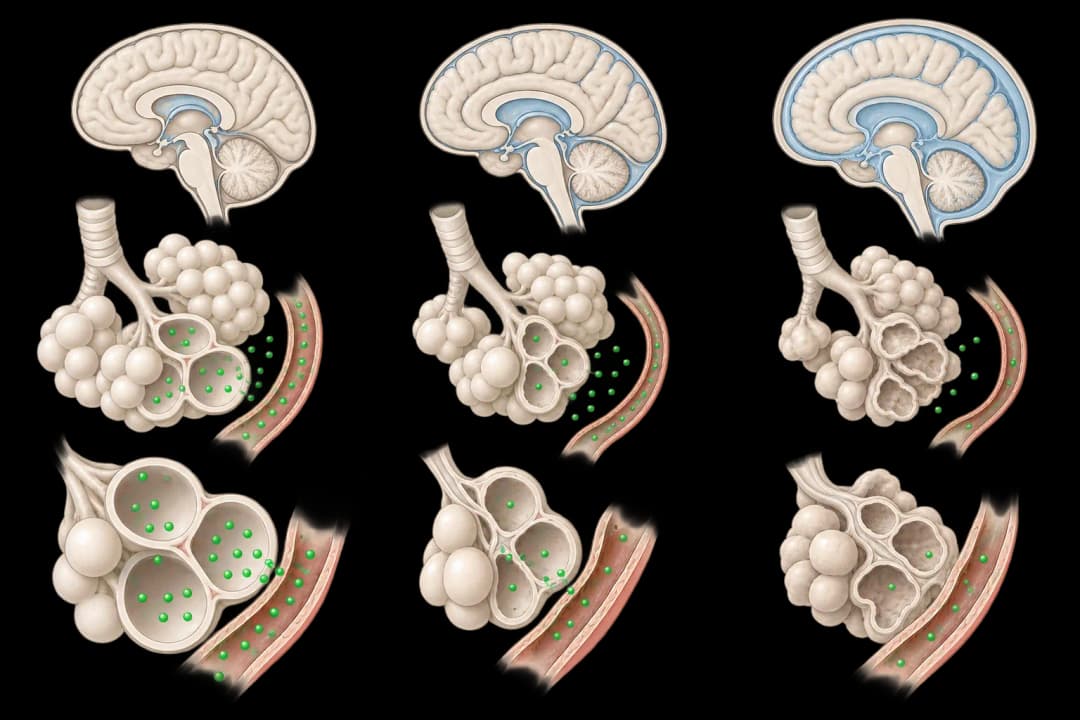
Acute mountain sickness itself is usually short-lived once further ascent stops. The concern is progression to swelling in the brain or fluid in the lungs. Brain involvement can impair balance, alertness, judgement, and consciousness; a severe episode may leave neurological difficulties. Lung involvement can cause profound oxygen shortage and may require hospital observation even after descent.
Ongoing breathlessness, poor concentration, weakness, balance trouble, or an unusual change in mood or behaviour warrants assessment. A lingering headache alone also needs review if it is severe, worsening, or accompanied by vomiting, vision changes, fever, or weakness.
How to support recovery
Remain at a lower altitude until symptoms have fully resolved and normal walking, breathing, eating, and sleeping have returned. Resume exercise gradually rather than testing recovery with a strenuous climb. Use only medicines recommended for you, and avoid sedatives or alcohol while breathing or alertness remains affected.
Write down the highest sleeping elevation reached, speed of ascent, symptom sequence, medicines used, oxygen given, and response to descent. This history helps a clinician assess recovery and plan future travel. A previous severe episode should prompt specialist travel advice before another ascent.
When follow-up or emergency care is needed
Call emergency services for confusion, seizures, fainting, inability to walk normally, breathlessness at rest, blue or grey lips, chest congestion, or coughing frothy fluid. Descend safely and provide oxygen if trained and equipped, without delaying evacuation.
Arrange a clinical review when headache, nausea, fatigue, cough, or reduced exercise tolerance continues after returning lower, or when symptoms recur without a new ascent. People treated for serious brain or lung altitude illness need guidance on recovery, fitness for travel, and whether further tests are appropriate.
Planning another high-altitude trip
Ask what diagnosis best fits the previous episode, whether any symptoms suggest residual brain, heart, or lung effects, and when strenuous activity is reasonable. Review a slower itinerary, emergency descent points, access to oxygen, prescription prevention, and any health condition that may reduce tolerance of low oxygen.
Find care
General Clinics & Polyclinics in Abu Dhabi
That answer is general. If you want it applied to your own case, these are licensed general clinics & polyclinics listed in Abu Dhabi.
27 Ar Ruwwad St - Shakhbout City - MSH4 - Abu Dhabi - United Arab Emirates
Accepts: Daman, Thiqa, Cigna, MetLife +20 more
Al Ruwais, Al Dhafrah
Accepts: Daman, Thiqa, AXA, Cigna +16 more
Al Bahyah - Al Bahyah Old - Abu Dhabi - United Arab Emirates
Accepts: Daman, Thiqa, Cigna, Allianz Care +18 more
Abu Dhabi
Accepts: Daman, Thiqa, AXA, Cigna +27 more
Ordered by verification status and how complete each clinic's public record is, then alphabetically. This is a directory listing, not a ranking — Zavis does not rate or recommend providers.
A factual listing drawn from the DHA, DOH and MOHAP licence registers. It is not a referral, an endorsement, or advice that any of these providers is right for you.
Questions people ask
Can tiredness continue after leaving altitude?
It can linger during recovery, but persistent or worsening fatigue should be assessed, particularly when paired with breathlessness, weakness, poor balance, or difficulty thinking clearly.
Does a previous episode prevent future mountain travel?
Not automatically. The severity of the episode, the planned ascent, underlying health, and access to descent or medical care all shape the advice for another trip.
Could symptoms after descent have another cause?
Yes. Infection, migraine, dehydration, medication effects, heart or lung problems, and other conditions can overlap with altitude symptoms. Continuing symptoms deserve a fresh assessment.
Related
Related reading
Keep reading
Medical disclaimer. This page is general health information, not medical advice, and it cannot diagnose you. Always consult a licensed healthcare provider about your own symptoms and treatment. In an emergency in the UAE, call 998 for an ambulance.