
Understanding the Age of Precocious Puberty
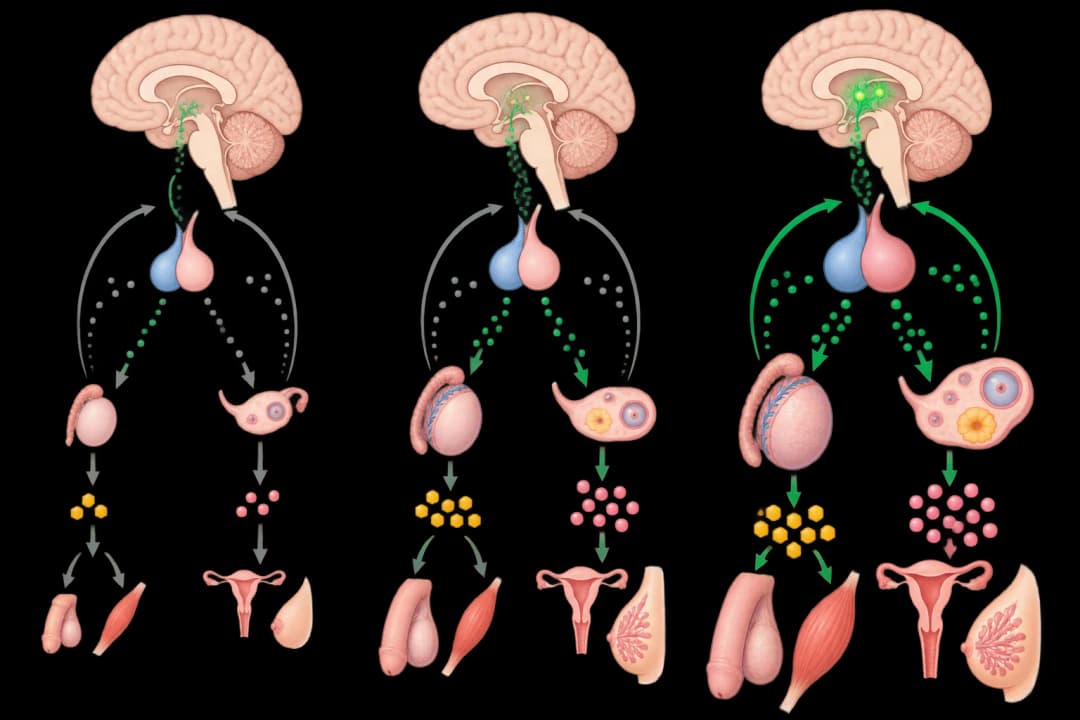
Short answer
Precocious puberty means pubertal development begins unusually early, and a clinician should assess the child's age, changes and growth pattern.
This answers one question. It is not a diagnosis and does not replace an assessment by a licensed doctor.
At a glance
- Main clue
- Pubertal changes beginning much earlier than expected
- Assessment considers
- Age, sequence, speed of change and growth pattern
- Helpful preparation
- A timeline, growth records and product list
How age is judged
The threshold is not based on age alone. The clinician also considers which physical change appeared first, how quickly development is progressing, the child's growth, family patterns and whether medicines or hormone-containing products could be involved.
Changes clinicians assess
In girls, early breast development, pubic or underarm hair, a rapid increase in height, acne, body odour or menstrual bleeding may prompt assessment. One isolated feature does not always represent full puberty; the sequence and pace help distinguish a limited change from progressive puberty.
Precocious puberty is a condition that can present with several of these changes together. It should not be inferred from body hair or odour alone, because those features can develop through a different hormone pathway.
Arrange an assessment
Book a paediatric appointment if pubertal signs seem much earlier than expected or are progressing rapidly. Write down when each change began, note changes in clothing or shoe size, and bring the child's growth records and a list of medicines, supplements, creams and household hormone products.
Assessment may include a growth review, physical examination and tests chosen for the child's presentation. A hormone blood panel can help the clinician interpret hormone activity, while other investigations may be considered when the history or examination points to a specific cause.
When care is more urgent
Seek prompt medical advice if early pubertal changes occur with headaches, vomiting, vision changes, seizures, weakness, unusual thirst or a marked change in behaviour. Vaginal bleeding that is heavy, painful, linked to injury or otherwise unexplained also needs timely assessment.
Use emergency care for severe sudden headache, loss of consciousness, a seizure that is not stopping or heavy bleeding with faintness. These warning signs drive urgency regardless of whether precocious puberty is suspected.
Questions for the paediatrician
Ask whether the pattern represents progressive puberty, which measurements will be followed and what tests would change management. Discuss possible effects on growth and emotional wellbeing, whether treatment is appropriate and how school staff can support privacy and comfort.
Find care
General Clinics & Polyclinics in Abu Dhabi
That answer is general. If you want it applied to your own case, these are licensed general clinics & polyclinics listed in Abu Dhabi.
27 Ar Ruwwad St - Shakhbout City - MSH4 - Abu Dhabi - United Arab Emirates
Accepts: Daman, Thiqa, Cigna, MetLife +20 more
Al Ruwais, Al Dhafrah
Accepts: Daman, Thiqa, AXA, Cigna +16 more
Al Bahyah - Al Bahyah Old - Abu Dhabi - United Arab Emirates
Accepts: Daman, Thiqa, Cigna, Allianz Care +18 more
Abu Dhabi
Accepts: Daman, Thiqa, AXA, Cigna +27 more
Ordered by verification status and how complete each clinic's public record is, then alphabetically. This is a directory listing, not a ranking — Zavis does not rate or recommend providers.
A factual listing drawn from the DHA, DOH and MOHAP licence registers. It is not a referral, an endorsement, or advice that any of these providers is right for you.
Questions people ask
Does early body hair always mean precocious puberty?
No. Body hair or odour can appear through hormone activity that is separate from the process driving breast development and menstrual changes. A clinician can assess the overall pattern.
Why does the speed of change matter?
Changes that progress quickly are more likely to affect growth and may need a fuller evaluation. Tracking when each sign appeared helps the clinician judge the pace.
What should I tell my child?
Use calm, age-appropriate language and explain that bodies develop at different times. Reassure the child that the appointment is to understand the changes and help them stay comfortable and healthy.
Keep reading
Medical disclaimer. This page is general health information, not medical advice, and it cannot diagnose you. Always consult a licensed healthcare provider about your own symptoms and treatment. In an emergency in the UAE, call 998 for an ambulance.