
Acute prostatitis treatment: what to expect
Short answer
Acute prostatitis needs prompt medical assessment and is usually treated with prescribed antibiotics, symptom relief and close follow-up.
This answers one question. It is not a diagnosis and does not replace an assessment by a licensed doctor.
At a glance
- First step
- Arrange a same-day medical assessment.
- Typical treatment
- Prescribed antibiotics plus suitable symptom relief.
- Emergency sign
- Being unable to pass urine needs immediate care.
- Follow-up
- Review symptoms and any test results with the treating clinician.
The short answer
Treatment depends on how unwell you are, whether you can pass urine and whether you can keep oral medicines and fluids down. Severe illness may require hospital care and antibiotics given into a vein.
What acute prostatitis means
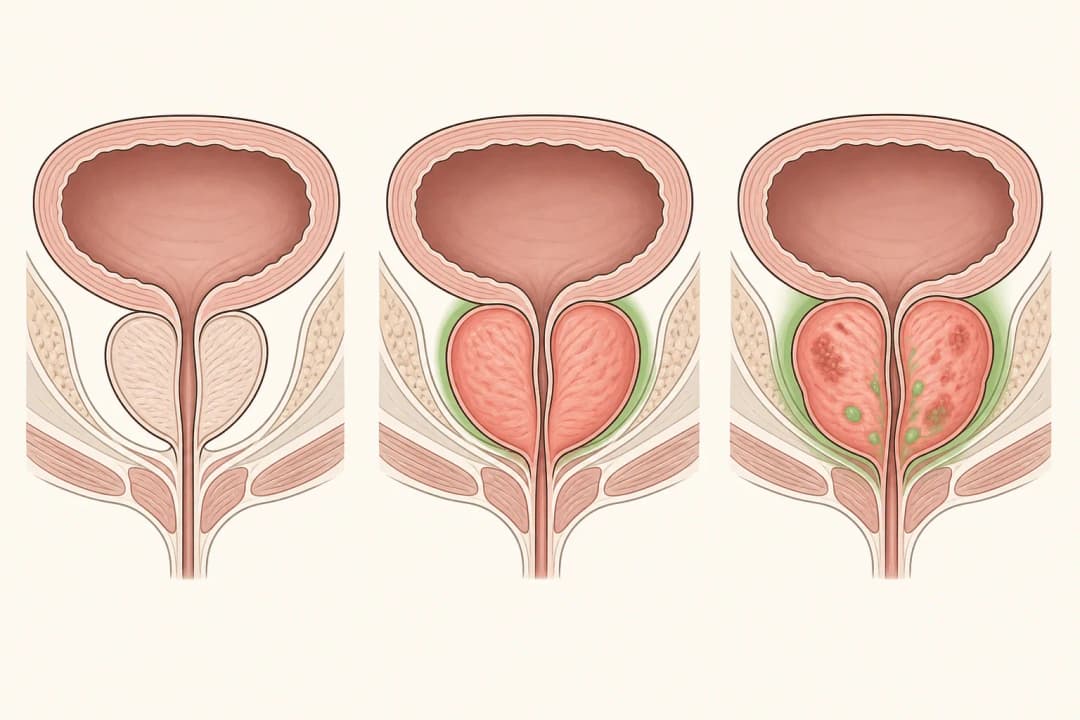
Acute prostatitis is a sudden inflammation of the prostate, commonly caused by a bacterial infection. It can cause fever or chills, pelvic or lower-back pain, painful urination, urinary urgency, frequent urination, or difficulty passing urine. Symptoms may develop quickly and can affect the whole body.
A clinician may assess your symptoms, temperature, hydration and ability to urinate, and may examine you carefully. Urine tests can help identify infection and guide the choice of antibiotic. Blood tests or hospital assessment may be needed if you appear seriously unwell.
What to do during treatment
Seek a same-day medical assessment rather than treating the symptoms on your own. Take any antibiotic exactly as prescribed and complete the course unless the prescriber changes the plan. Tell the clinician about allergies, kidney problems, other medicines and any previous urine-culture results.
Rest, drink enough fluid to avoid dehydration unless you have been told to restrict fluids, and use only pain or fever medicine that is suitable for you. A warm bath may ease pelvic discomfort. Avoid forcing urine out or pressing firmly on the painful area.
Attend the planned follow-up even if symptoms begin to settle. Contact the treating clinician if you are not improving, symptoms return, or the medicine causes troublesome effects; test results may show that treatment needs adjusting.
When to seek urgent care
Go to an emergency department if you cannot pass urine, become confused or unusually drowsy, faint, develop breathing difficulty, or have rapidly worsening weakness. These signs can indicate urinary blockage or a severe body-wide response to infection.
Urgent reassessment is also needed for persistent vomiting, inability to keep medicines or fluids down, worsening fever or shaking chills, or pain that becomes severe despite treatment. Do not wait for a routine appointment when these warning signs are present.
Questions for your clinician
Ask which test results are pending, how you will receive them, how long to take the antibiotic, and what improvement should look like. Confirm which pain reliever is compatible with your health conditions and medicines, and ask exactly when follow-up is due.
If urination remains difficult, ask whether you need further assessment for blockage or a safer way to drain the bladder. Mention previous prostatitis, urinary infections, recent urinary procedures, or problems emptying the bladder because these details can change the care plan.
Find care
General Clinics & Polyclinics in Abu Dhabi
That answer is general. If you want it applied to your own case, these are licensed general clinics & polyclinics listed in Abu Dhabi.
27 Ar Ruwwad St - Shakhbout City - MSH4 - Abu Dhabi - United Arab Emirates
Accepts: Daman, Thiqa, Cigna, MetLife +20 more
Al Ruwais, Al Dhafrah
Accepts: Daman, Thiqa, AXA, Cigna +16 more
Al Bahyah - Al Bahyah Old - Abu Dhabi - United Arab Emirates
Accepts: Daman, Thiqa, Cigna, Allianz Care +18 more
Abu Dhabi
Accepts: Daman, Thiqa, AXA, Cigna +27 more
Ordered by verification status and how complete each clinic's public record is, then alphabetically. This is a directory listing, not a ranking — Zavis does not rate or recommend providers.
A factual listing drawn from the DHA, DOH and MOHAP licence registers. It is not a referral, an endorsement, or advice that any of these providers is right for you.
Questions people ask
Can acute prostatitis be treated at home?
Some people can recover at home after medical assessment with oral antibiotics and suitable symptom relief. Hospital care may be needed if you are very unwell, cannot urinate, cannot keep fluids or medicine down, or need treatment through a vein.
Should I stop antibiotics when I feel better?
Do not stop or change a prescribed antibiotic on your own. Follow the prescribed course and contact the clinician if side effects occur, you are not improving, or test results lead them to adjust the medicine.
Why is follow-up needed after symptoms improve?
Follow-up allows the clinician to check that symptoms are resolving, review urine or blood results, and decide whether treatment needs changing or further urinary assessment is appropriate.
Related
Related reading
Keep reading
Medical disclaimer. This page is general health information, not medical advice, and it cannot diagnose you. Always consult a licensed healthcare provider about your own symptoms and treatment. In an emergency in the UAE, call 998 for an ambulance.