
Care after abscess drainage
Short answer
After abscess drainage, protect the wound, follow the dressing and washing instructions, use prescribed medicines correctly, and watch for infection that is worsening or returning.
This answers one question. It is not a diagnosis and does not replace an assessment by a licensed doctor.
At a glance
- Wound closure
- The opening may heal gradually from its base
- Packing
- Change or remove it only according to clinical instructions
- Daily check
- Look for spreading redness, renewed swelling, or increasing pain
The short answer
Some drainage and tenderness can occur early in healing. The wound may be left open so fluid can escape, and it can close gradually from the base rather than sealing over a remaining cavity.
What healing involves
The treatment removes pus and reduces pressure, but nearby inflamed tissue still needs time to settle. The clinician may place packing or a small drain when continued drainage is needed; this should be removed or changed only as instructed.
Antibiotics are not automatically required after every drainage. They may be prescribed when infection extends into surrounding skin, symptoms affect the whole body, the site poses added concern, or health conditions make infection harder to control.
Daily wound care
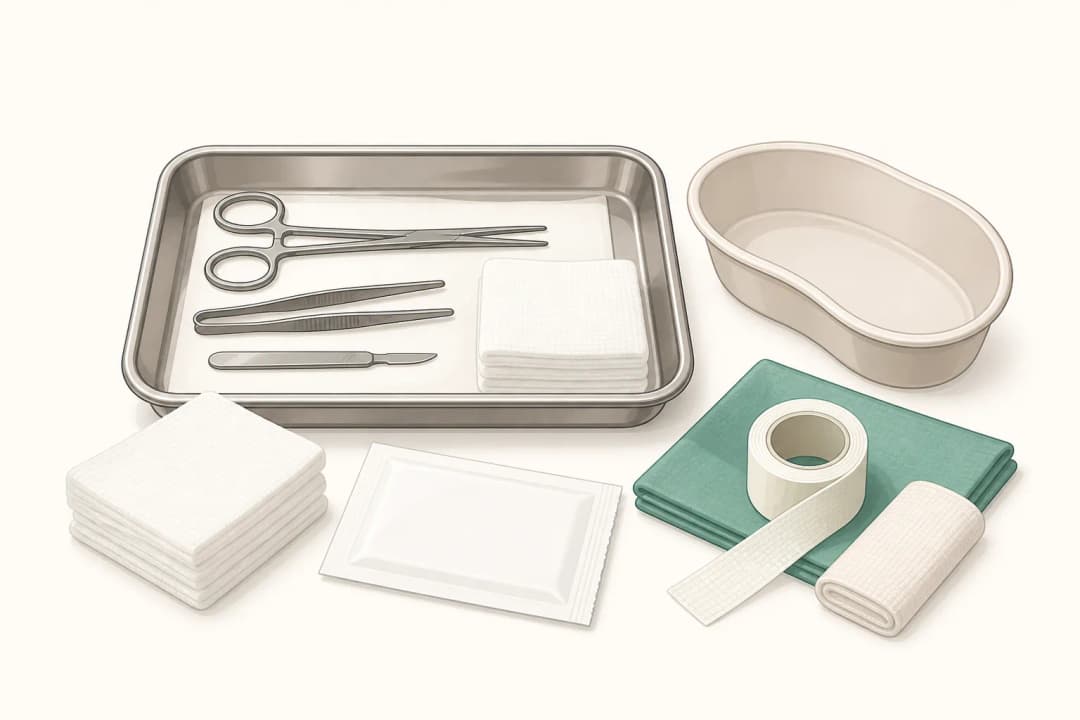
Wash your hands before and after touching the dressing. Replace wet or soiled coverings using the method shown by the care team, and dispose of used material safely. Do not insert objects, squeeze the wound, or remove packing unless instructed.
Use pain relief that is safe with your health conditions and other medicines. Follow advice about showering, exercise, work, and swimming because the wound's position and depth affect these activities. Keep the scheduled wound check.
Signs that need medical help
Seek prompt review for expanding redness, increasing warmth or swelling, worsening pain, renewed pus, fever, chills, or a wound that closes while a tender lump reforms underneath. These findings can signal persistent or recurrent infection.
Get urgent help for rapidly spreading skin changes, severe pain beyond what the wound appearance suggests, confusion, faintness, breathing difficulty, or bleeding that does not stop with firm pressure. An abscess near the eye with swelling or vision change also needs urgent assessment.
Planning your follow-up
Before leaving, confirm when the first dressing change is due, whether packing or a drain remains, and who should remove it. Ask how much drainage is expected, which pain relief is suitable, whether antibiotics are needed, and what to do if the cavity fills again.
Find care
General Clinics & Polyclinics in Abu Dhabi
That answer is general. If you want it applied to your own case, these are licensed general clinics & polyclinics listed in Abu Dhabi.
27 Ar Ruwwad St - Shakhbout City - MSH4 - Abu Dhabi - United Arab Emirates
Accepts: Daman, Thiqa, Cigna, MetLife +20 more
Al Ruwais, Al Dhafrah
Accepts: Daman, Thiqa, AXA, Cigna +16 more
Al Bahyah - Al Bahyah Old - Abu Dhabi - United Arab Emirates
Accepts: Daman, Thiqa, Cigna, Allianz Care +18 more
Abu Dhabi
Accepts: Daman, Thiqa, AXA, Cigna +27 more
Ordered by verification status and how complete each clinic's public record is, then alphabetically. This is a directory listing, not a ranking — Zavis does not rate or recommend providers.
A factual listing drawn from the DHA, DOH and MOHAP licence registers. It is not a referral, an endorsement, or advice that any of these providers is right for you.
Questions people ask
Is drainage from the wound expected?
A small amount can occur while the cavity heals. Contact the care team if discharge increases, smells unpleasant, accompanies worsening pain, or soaks dressings repeatedly.
Can I shower after abscess drainage?
This depends on the dressing, packing, wound site, and instructions used by the treating service. Confirm when water can reach the area and how to dry and redress it.
Why has the wound been left open?
An open route allows remaining fluid to leave and helps prevent the skin sealing over a deeper space. The cavity can then fill with healing tissue from below.
Related
Related reading
Keep reading
Medical disclaimer. This page is general health information, not medical advice, and it cannot diagnose you. Always consult a licensed healthcare provider about your own symptoms and treatment. In an emergency in the UAE, call 998 for an ambulance.